Car Accidents - Ezequiel Reyna Law Office

100% FREE CONSULTATION 1-800-935-3739

Driving Safely in Cold or Icy Conditions: What Texas Drivers Need to Know.
Guidance from an Experienced Texas Personal Injury Law Firm

Here in South Texas, most of us are used to heat, humidity— not frozen roads. When winter weather sweeps across Texas, it often brings more cold air it brings unexpected hazards on the road. Many Texans rarely drive on icy pavement, so even a brief freeze can create dangerous conditions. Understanding how cold weather affects the roads can help keep you and your loved ones safe.

Why Icy Roads Are So Dangerous — Even in South Texas

Freezing temperatures are less common in South Texas, but when they do occur, the risk of accidents increases dramatically. Inexperienced drivers which do not have experience navigating icy pavement can make even a thin sheet of ice hazardous. Black ice is a nearly invisible layer of ice; it is highly dangerous because it offers almost no traction and gives drivers little time to react.

Ice reduces your tires’ grip on the road, making steering, braking, and accelerating more difficult. Even minor mistakes, like turning too quickly or tapping the brakes too hard, can cause a skid.

Where Ice Forms First: Bridges, Overpasses & Shaded Roads

Not all roads freeze at the same rate as others. Depending on the surface these areas become more hazardous thanothers.

Bridges and Overpasses

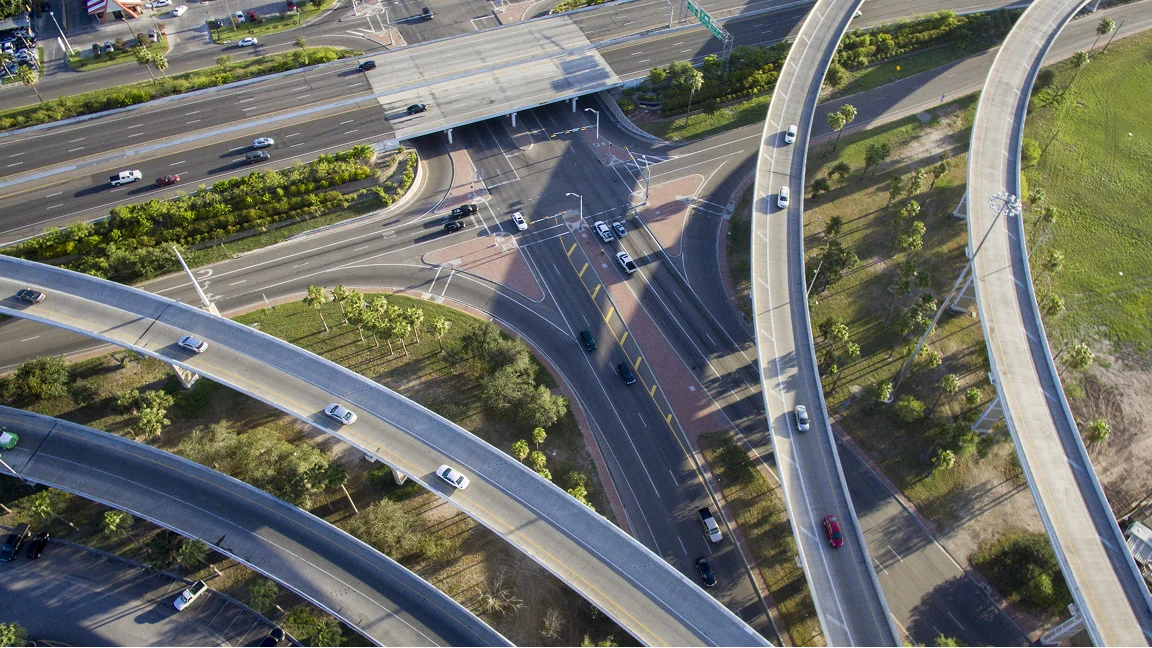
These structures freeze before other roads because cold air surrounds them from above and below. Without ground warmth beneath them, bridges lose heat faster and ice over quicker.

Rural or LowTraffic Roads

Roads with less traffic may stay icy longer because fewer vehicles pass over them to generate warmth and friction. Recognizing these highrisk areas can help you anticipate danger and steer clear of any accidents.

Safe Driving Tips for Cold or Icy Conditions

Even small adjustments can significantly improve your safety in winter weather. Here are essential tips for navigating icy Texas roads:

1. Slow Down – Posted speed limits are designed for ideal conditions. When roads are icy, slowing your speed gives your tires more time to grip the pavement and helps you avoid sudden loss of control.

2. Increase Following Distance – On dry roads, a threesecond following distance is recommended. On icy roads, increase this to eight to ten seconds to allow for longer stopping distances.

3. Avoid Sudden Movements – Quick braking, accelerating, or turning can cause your vehicle to slide. Drive slowly with steady movements to maintain as much traction as possible.

4. Brake and Accelerate Gently – Even with antilock braking systems (ABS), sudden braking on ice can cause your tires to lock up. Ease into braking and acceleration to prevent skids.

5. Keep Headlights On – Visibility drops during winter weather. Using your headlights makes it easier for other drivers to see you through fog, sleet, or freezing drizzle.


What To Do If You Begin to Skid

Skidding can be alarming, but the right response can help you regain control:
Remove your foot from the gas pedal
Steer gently in the direction you want to go
Avoid jerking the wheel or slamming the brakes
Allow the vehicle to regain traction before accelerating again.

Practicing these steps mentally can help you respond calmly if a skid occurs.

When to Stay Off the Road

Sometimes the safest decision is not to drive at all. Consider postponing travel if:
Temperatures are predicted to stay below freezing
Local officials issue severe weather or road warnings
Bridges or major highways are closed or being treated
You feel uncomfortable driving in icy conditions

No destination is worth risking your safety. Waiting for conditions to improve could prevent a serious collision.

If You’re Injured in a Winter Weather Accident

Even cautious drivers can end up in crashes caused by others who fail to slow down or adjust for icy conditions. When winter weather contributes to an accident, an experienced Texas personal injury law firm can help you understand your options and protect your rights.

—-

If you or a loved one has been injured in a car accident caused by dangerous road conditions, a commercial vehicle, or an impaired driver, you don’t have to face the situation alone. The Ezequiel Reyna Law Office has decades of experience helping individuals and families across Texas navigate serious injury claims. Our team is available 24/7 to answer your questions and help you understand your options. For a free consultation, contact the Ezequiel Reyna Law Office today — because when it matters most, you deserve experienced legal guidance you can trust.


What to Do After a Multi-Vehicle Accident in Texas? Guidance from an Experienced Texas Personal Injury Law Firm

Multi-vehicle accidents—also known as chain-reaction crashes or pile-ups—are some of the most complex and dangerous collisions on Texas roads. These accidents often occur on busy highways, expressways, and major intersections throughout Weslaco, McAllen, Midland, and across Texas, and they frequently involve serious injuries or fatalities.

If you or a loved one is involved in a multi-car accident, knowing what to do next can protect your health, your rights, and your potential claim.

Step-by-Step: What to Do After a Multi-Vehicle Accident

  1. Call 911 and Get Emergency Help

Always call 911 immediately after a multi-vehicle crash.

  • Report injuries, blocked lanes, fires, or hazardous conditions
  • Follow instructions from police, fire, and EMS
  • Do not assume someone else has already called

Emergency response is critical in large crashes involving multiple vehicles.

  1. Stay at the Scene and Cooperate With Police

Texas law requires drivers to remain at the scene.

  • Provide basic, factual information only
  • Do not guess or admit fault
  • Request a copy of the police crash report number

In multi-car accidents, fault is often disputed and determined later.

  1. Get Medical Treatment Right Away

Even if you feel okay, injuries can appear hours or days later.

  • Accept medical care at the scene if offered
  • Visit an emergency room or doctor as soon as possible
  • Follow all medical recommendations

Prompt treatment protects both your health and your injury claim.

  1. Document the Accident Scene

If it is safe:

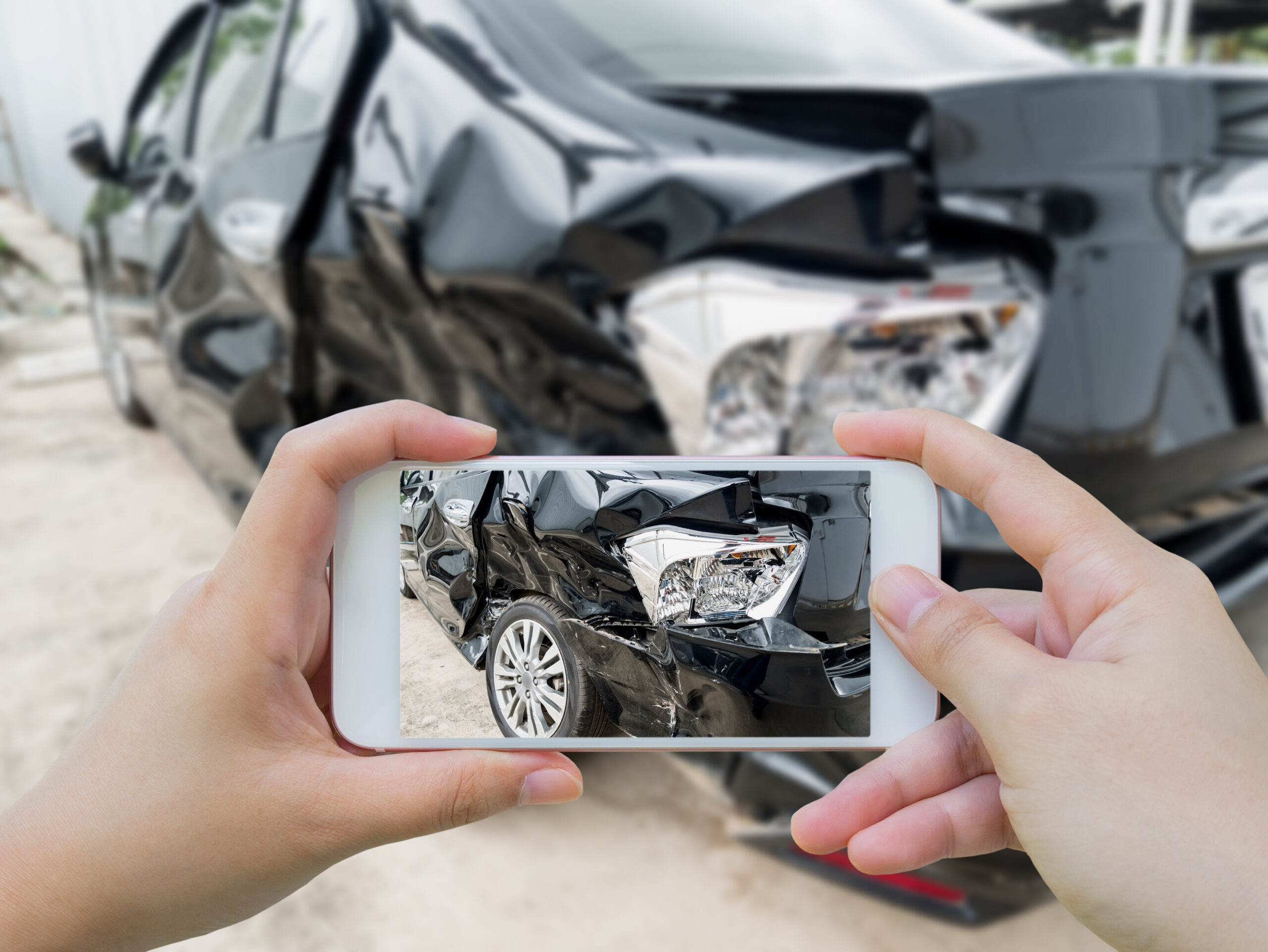
  • Take photos and videos of all vehicles involved
  • Capture road conditions, traffic signals, skid marks, and debris
  • Collect witness names and contact information

Evidence is especially important when multiple drivers and insurance companies are involved.

  1. Be Cautious With Insurance Companies

After a multi-vehicle accident, you may hear from several insurers.

  • You are not required to give a recorded statement right away
  • Do not sign documents or accept settlements without legal advice
  • Insurance companies often try to shift blame in multi-car crashes

Early mistakes can significantly affect your claim.

  1. Understand That Fault in Texas Can Be Complicated

Texas follows proportionate responsibility, meaning:

  • More than one driver may be at fault
  • Commercial vehicles or 18-wheelers may be involved
  • Liability may depend on timing, speed, following distance, or road design

These cases often require accident reconstruction and legal investigation.

Why You Should Speak With a Texas Personal Injury Attorney

Multi-vehicle accidents can result in:

  • Serious or catastrophic injuries
  • Wrongful death claims
  • High medical bills and lost income
  • Disputes between multiple insurance carriers

An experienced law firm can manage the legal process while you focus on recovery.

At Ezequiel Reyna Law Office, we have decades of experience representing accident victims throughout South Texas and West Texas, including Weslaco, McAllen, Midland, and surrounding communities. Our team handles complex accident cases involving:

  • Multi-vehicle and chain-reaction crashes
  • Commercial and 18-wheeler accidents
  • Catastrophic injuries and wrongful death

Serving Clients Across Texas

With offices in Weslaco and McAllen and service to the Midland area, our firm is available to help accident victims wherever they are injured in Texas.

📞 Call 956-968-9556
We are available 24/7, including evenings, weekends, and holidays.

You are not alone—and you do not have to face a multi-vehicle accident claim by yourself.

This content is for informational purposes only and does not constitute legal advice.

Navigating Stormy Roads: Drive Safe with Your Trusted South Texas Personal Injury Law Office

As a storm approaches our region, your safety remains our top priority. At the Ezequiel Reyna Law Office, we understand the importance of taking precautions on the road, especially during adverse weather conditions. We’re here to not only remind you to stay safe while driving but also to assure you that we’re available 24/7 should you ever need our assistance.

Safety First: Tips for Driving in Inclement Weather

When the weather takes a turn for the worse, it’s vital to adjust your driving habits to ensure both your safety and that of those around you. Here are some essential tips for navigating stormy roads:

1. Reduce Your Speed: Rainy conditions can make roads slick and reduce traction. Drive at a moderate speed to give yourself ample time to react to changing road conditions.

2. Increase Following Distance: A greater following distance between you and the vehicle ahead can provide you with more time to respond to sudden stops or obstacles.

3. Lights On, Hazards Off: Ensure your headlights are on for improved visibility. Contrary to popular belief, using hazard lights while driving is generally not recommended, as it can confuse other drivers and be mistaken for a parked vehicle.

4. Minimize Distractions: Keep your focus solely on the road. Put away your phone and other distractions to keep your attention where it’s most needed.

5. Signal Clearly: Always use your turn signals to indicate your intentions, giving other drivers ample time to adjust to your movements.

We’re Here to Help 24/7

Even the most cautious drivers can find themselves in unexpected situations. If you experience an unfortunate incident on the road, encounter a slip and fall, or face any personal injury, know that the Ezequiel Reyna Law Office is just a phone call away. Our dedicated team is available around the clock to assist you with any legal matters that may arise.

📞 Reach out to us at 956-968-9556 anytime you need assistance. We’re committed to standing by your side, helping you navigate through the legal process and ensuring your rights are protected.

In times of uncertainty, remember that you’re not alone. Together, we can weather any storm that comes our way, emerging stronger on the other side.

Stay safe, South Texas! 💙

#DriveSafe #SouthTexasSafety #HereToHelp

We hope this blog post provides you with valuable insights into staying safe on the roads during inclement weather. Remember, if you ever need legal assistance or advice, the Ezequiel Reyna Law Office is here to support you. Contact us at 956-968-9556 or visit zreynalaw.com to learn more.

Car Accidents with Uber and Lyft: What to Know

As people venture out these days, the options for staying safe while enjoying drinks with family and friends are ever-increasing. Ridesharing services like Uber and Lyft have made it easier for families to require fewer vehicles, use less gas, get around more easily while traveling, and jaunt about town safely while enjoying an alcoholic beverage; however, the introduction of these services has come with its own set of issues. Car accidents with Uber and Lyft have become common and can occur due to a variety of causes. Not all motor vehicle collision attorneys are experienced in handling rideshare injury cases, but the Ezequiel Reyna, Jr. Law Office has a team of successful lawyers ready to hear about your situation and give you the best free legal advice.

Uber and Lyft Dangers

Thousands of Texans rely on ridesharing companies for everyday transportation – for everything from a ride to the airport, to a designated driver for date night. A few things unsuspecting riders may not know are that the screening process and qualification process for becoming an Uber driver or Lyft driver are not very thorough or rigorous. This has led to sexual assaults and car accidents resulting in serious injuries and even death.

There were over 3,045 sexual assaults reported in one year for Uber, which means even more occurred as these injuries are less often reported. There were also 58 crash-related deaths in ridesharing accidents in the U.S. in 2019. Ridesharing itself has increased motor vehicle accident fatalities by 3% overall across the country.

Rideshare Accident Liability

Rideshare accident victims’ legal cases are more complex than a regular car accident for many reasons, one of which is that victims often have to deal with multiple insurance companies. Carriers and adjusters may argue over who was at fault, the severity of your injuries, which insurance policy will cover the incident, and how much coverage to afford. The best way to tackle these complications is to get help from an attorney, especially while you recover from your injuries under a doctor’s care.

While the driver themselves can be held accountable for the damages you suffer, the rideshare company may also be held liable for the driver’s actions. The timing of when a car accident with Uber or Lyft occurs affects how much potential insurance is available. Under Uber’s insurance policy, if a driver is online (listed as an available driver) with the rideshare service but has not yet matched with a passenger (accepted a ride), they are covered under the company’s liability policy – but only part of it. Uber insurance covers the car accidents caused by “waiting” drivers up to:

  • $50,000 per person
  • $100,000 total in bodily injury coverage per accident
  • $25,000 total property damage coverage per accident

When a rideshare driver matches with a passenger and then gets into a car wreck while on the way to pick up that passenger or while driving that passenger, Uber’s insurance policy kicks-in in full and provides at least $1 million worth of coverage per accident.

Rideshare Safety Tips

When considering a ride with an Uber or Lyft driver, be sure to observe the following safety tips to ensure you have the best possible experience:

  • Always check your driver’s rating before accepting a ride
  • Verify your driver’s identity before entering their vehicle by ensuring their license plate, photo, and name match what is shown in your app
  • Make sure the driver verbally confirms your name as the passenger they are supposed to pick up
  • Wear your seat belt
  • Report unsafe driving behaviors on the ridesharing app and/or the driver’s license plate and location to the police if you are concerned
  • If you are riding alone, ride in the backseat
  • Always remain aware of your surroundings and travel route – you can even track your route to your destination by programming the address into Waze or Google Maps to follow along
  • Click “Share Status” in the app while you are on your rideshare and this will share your location and the driver’s information with the person of your choice – tell your driver you are sharing this information as it can serve as a deterrent to potential criminal activity

Lawyers for Weslaco Car Accidents with Uber and Lyft

If you’ve been injured after an accident involving an Uber or Lyft, we understand how complex things are for you – both with regard to your legal claims and with regard to your medical recovery. Our experienced trial lawyers will work on your behalf to help you recover the damages you deserve. Schedule a free case consultation and evaluation with an attorney today by calling 956-968-9556. You pay nothing upfront. We recover financial damages for you on a contingency fee basis only, so if we are not able to obtain a recovery, you owe us nothing.

What You Should Do Immediately After a Car Accident

In Texas, we drive a lot – whether it’s to take our kids to school or to get to and from work – we spend a lot of time in our vehicles. Most of the time we take our safety while driving for granted, only focusing on getting to our destination on time and not about getting into a car wreck. Unfortunately, Texas car accidents are common. In fact, 3,896 people were killed in auto accidents in our great state in 2020, a 7.54% increase over the previous year and 12,107 crashes resulting in physical injury were reported with 14,656 people sustaining a serious injury. Since roadway collisions are so common and injuries so often result, it is important for everyone to know what you should do immediately after a car accident.

Steps To Take After Being injured In an Auto Accident

If you were a driver or passenger injured in an auto accident, the first thing you should do is move yourself and your vehicle to a safe location if you are physically able. Put on your emergency or hazard signal lights to alert oncoming cars, trucks, and other vehicles to the fact that a crash has occurred and people are present on the road. Make sure that you do not leave the scene of the accident unless it is with emergency medical personnel who are transporting you for treatment.

After the people involved in the car accident are moved away from danger, the next steps to take include:

  • Calling Law Enforcement: It is crucial to report the car accident to law enforcement right away so they can investigate and create an official accident report. This report is one of the most important pieces of evidence in your claim for damages because it will help establish who is at fault or who caused the accident. When the police arrive, be sure to tell them exactly what happened but do not guess or speculate. If they ask if you are hurt, don’t say no – say you are not sure because injuries very commonly are felt only hours after the impact of a collision.
  • Collecting Necessary Information: You will need to gather information from the other parties involved in your car accident (both drivers and passengers), including names, contact information, vehicle descriptions, driver’s license numbers, and insurance company names and policy numbers. You will also need to get information from any witnesses, including their names and contact information.
  • Documenting the Accident Scene: Use your mobile phone to take pictures of the vehicles involved in the accident, including the areas of damage and the positioning of each vehicle. Document the area around the crash, showing what you saw when driving up to the location and what is around the scene. Look around for security or surveillance cameras because the footage can be helpful and show a video of how the entire wreck happened.
  • Seeking Out Medical Treatment: Even if you don’t feel hurt, you may have suffered an injury and not be feeling the effects. It is important to be medically evaluated following a car accident even if you think your injuries are minor so that you can ensure you are safe and healthy, and so that there is documentation that connects your damages to the crash. You can and should also take pictures or videos of your injuries and the injuries of anyone else in your vehicle to document the damages caused by the crash.
  • Consulting a Personal Injury Lawyer: While it is likely not the first thing you think about after being hit by another driver, it is important to at least talk to a personal injury lawyer after being injured in an auto accident. The facts of each individual’s car accident are unique so what one person you know might have experienced in their wreck will likely not be the same as what happens to you. Talking to someone who has spent their entire career helping car accident victims is a good idea, and with our law firm, such consultations are free and available in both Spanish and English.

Weslaco Car Accident Lawyers

If you have been injured in a South Texas car accident, you may not know what to do. We hope the list of steps we provided above can be helpful, but we know it can’t help you resolve everything on your own. By hiring experienced legal representation, you won’t have to worry as much about your next steps. Contact the Weslaco, Texas car accident lawyers at Ezequiel Reyna, Jr. Law Office today to discuss your case in a free consultation. There is limited time to act following a motor vehicle crash in Texas and evidence will disappear as the scene is cleaned up and vehicles are repaired, so don’t wait too long to reach out.

How Tailgating Causes Car Accidents

Everyone gets frustrated while driving on the roads. When other drivers aren’t paying attention or are going too slow in the fast lane, you inevitably feel the urge to tailgate them out of frustration. Or perhaps you have been distracted by something in the car or been on the phone and ended up driving a little too closely to the vehicle in front of you. Tailgating is one of the most dangerous driving maneuvers on the roads today and can quickly lead to serious car accidents. When a driver tailgates the vehicle in front of them, they place themselves and the other drivers and passengers nearby at risk of rear-end and side-impact collisions. According to the National Highway Traffic Safety Administration (NHTSA), rear-end collisions make up approximately 23 percent of all car crashes resulting in nearly 2,000 deaths and over 900,000 injuries.

What is Tailgating?

Tailgating occurs when a vehicle follows the car in front of it too closely relative to the speed of both cars. When we are taught how to drive, it is always recommended that drivers keep a safe distance away from the vehicle in front of their cars to make sure they have enough stopping time and distance if a vehicle ahead suddenly stops. When a driver chooses to tailgate, they remove that safety barrier and significantly reduce their ability to safely brake before rear-ending the vehicle in front of them or swerving and hitting a car to their left or right side. Unfortunately, there are many reasons why drivers choose to tailgate, including:

  • Anger or frustration with the vehicle in front of them
  • Aggressive driving style
  • Sense of self-importance or placing their own needs above the needs of others
  • False sense of security in their driving skills
  • Poor road conditions
  • Distracted or careless driving
  • Heavy traffic conditions

Heavy traffic often places multiple drivers into tailgating situations and can become a car accident nightmare if a chain reaction of rear-ending takes place, leading to a complex multi-vehicle accident.

How Does Tailgating Cause Car Accidents?

When a driver tailgates and subsequently reduces their potential stopping distance to avoid an auto accident, the likelihood of causing a collision increases significantly. Stopping distance is directly proportional to the size, weight, and speed of a vehicle and is different depending on what type of vehicle is being used. The stopping distance for a semi-truck will be much greater than the stopping distance of a passenger vehicle. It can take up to twice the distance for a heavy truck to stop suddenly as a passenger car going the same speed. You can easily see why a driver of either a passenger vehicle or semi-truck could cause a motor vehicle accident when tailgating as they have reduced the distance they have to stop when there are changes on the road ahead.

When a driver is tailgating, they also tend to lose their ability to see the road ahead. If they are following a vehicle very closely and can only see the back of the vehicle instead of a few hundred feet ahead, they may not see an accident ahead, a change in the road, a detour, or other issues that could require sudden stops. Hazards on the road ahead must be prepared for and a driver needs a significant amount of time and distance on the road to react. Tailgating takes these away from the driver and places them into a more precarious position when driving. The inability to prepare for hazards on the road ahead is a recipe for disaster. The more space a driver maintains between their car and the vehicle ahead of them, the more time and distance that driver has to react to any upcoming hazards on the road.

Can a Driver Be Held Accountable for Tailgating?

When a driver is tailgating and is unable to stop in time when the car ahead of them brakes, that is considered a rear-end collision. If the driver who is tailgating suddenly swerves into the next lane to avoid hitting the car ahead of them, and instead hits a car to their side, that can be considered a side-impact collision. These collisions can cause serious injuries and even death depending on the circumstances. Tailgating in these cases may constitute negligence as all drivers have a duty of care to other vehicles around them. Drivers are expected to operate their vehicles safely and to reasonably avoid causing an auto accident. Tailgating can be considered a violation of that duty. In many cases, the tailgater will be considered at fault for causing a car accident and will be held accountable both legally and financially for the damages they cause to other parties who are involved in the crash.

Weslaco, Texas Tailgating Car Accident Attorneys

If you have been in a car accident caused by a tailgater, you may be scared, frustrated, and not know what to do. This driver may have been following you aggressively for miles before hitting you, making it an even scarier situation. By selecting knowledgeable legal representation, you won’t have to worry as much about your next steps. Contact the South Texas tailgating car accident lawyers at Ezequiel Reyna, Jr. Law Office today to discuss your case in a free consultation. There is limited time to act following a motor vehicle accident in Texas, so don’t delay.

Wrong Way Crash Accidents

According to the AAA Foundation for Traffic Safety, Texas is number one in the nation for the highest number of wrong-way crash fatalities. The threat of running into a wrong-way driver is becoming more frequent, as deaths are now skyrocketing from these types of car crashes across the state. A recent study determined that between 2015 and 2018 an average of 77 people died each year in Texas in wrong-way crashes. This is up 29 percent from the previous time period between 2010 and 2014.  Why do drivers choose to drive the wrong way on a road and why are wrong way crash accidents so severe? When a driver goes the wrong way down a street and is coming towards you, you may only have seconds to react to avoid being hit head-on in a crash.

Why Does a Driver Choose to Drive the Wrong Way?

Drivers who drive the wrong way on a road typically have not made this choice consciously. There are many risk factors that can contribute to a driver going the wrong way. Some of the most common risk factors for wrong way driving include:

  • The driver is impaired by alcohol or drugs
  • The driver is older and/or has dementia
  • There are no passengers in the vehicle to tell the driver they are going the wrong way
  • The driver is unfamiliar with the area
  • The driver has night blindness
  • The roads lack proper signage
  • The driver ignores road signs and traffic laws
  • The driver is on the road between midnight and 6:00 am
  • The driver chooses to pass a vehicle on a two-lane road when it is not safe

The majority of wrong-way crashes take place when a driver who is impaired does not realize they are driving the wrong way on a roadway. The most common timeframe within which a wrong-way crash takes place is between 2:00 am and 3:00 am. These times correspond directly to when Texas bars close their doors. At least 60 percent of wrong-way accidents in our great state involve at least one impaired driver.

Common Injuries that Occur in Wrong-Way Accidents

Wrong-way crashes, while not as common as other types of car crashes, often cause some of the most severe injuries. Wrong-way crashes are usually head-on collisions that take both drivers by surprise. A head-on collision is a type of car crash that happens when the front ends of two vehicles are hit straight on. They are one of the deadliest types of crashes on the roads today. On top of the common medical trauma sustained in a car accident, severe wrong way crash injuries can and often do result from direct force trauma caused by the sheer force of the impact.

Direct force trauma injuries can include:

  • Shoulder joint damage
  • Collar bone fracture
  • Pierced lungs
  • Broken ribs
  • Internal organ damage of the kidneys, liver, spleen, diaphragm, and other organs

Many wrong-way crash victims may not realize they have internal injuries after the crash and can walk away thinking they are okay. Internal injuries often take time to fully present themselves, which makes seeking immediate medical treatment essential after a wrong-way crash.

Another factor to take into consideration with wrong-way crashes is the potential for car fires. Head-on vehicle collisions can quickly lead to car fires with explosive consequences. If the car dashboard is damaged and car wiring severed, the resulting sparks could ignite fuel in the area and lead to a car fire. Car fires can quickly increase the risk of death in a car accident. Fires spread quickly from under the hood into the passenger cabin; and, if an accident victim is incapacitated or is trapped in the cabin, they could succumb to smoke inhalation, serious burns, or other injuries.

How Can I Avoid Wrong-Way Crash Accidents?

Debbie Callahan, the continuing education chair for the Texas Professional Drivers Association provided the following tips for avoiding a wrong-way crash accident:

  1. Focus on defensive driving skills at all times when on the road.
  2. Focus your gaze up ahead on the road, constantly moving your eyes from the rearview mirror to the side mirrors to spot any potential hazards.
  3. Put phones away and keep your hands at 9 o’clock and 3 o’clock on the steering wheel.
  4. Properly wear a seatbelt on every drive.

These tips can help drivers have enough time to react if they see a wrong-way driver ahead on the road. Drivers will also be able to stay fully in control of their vehicles and make sudden maneuvers if they have kept their attention on the road ahead.

Weslaco, Texas Wrong Way Car Accident Attorneys

If you have been in a wrong-way car accident, you may be scared, frustrated, and not know what to do. By selecting knowledgeable legal representation, you won’t have to worry as much about your next steps. Contact the South Texas wrong-way car accident lawyers at Ezequiel Reyna, Jr. Law Office today to discuss your case in a free consultation. There is limited time to act following a motor vehicle accident in Texas, so don’t delay.

What is an Unsafe Speed for Driving?

Statistics don’t lie – speeding puts all drivers and passengers on the road in danger. According to the National Highway Traffic Safety Administration (NHTSA), speeding killed 9,478 people in 2019 and has contributed to at least one-third of all motor vehicle fatalities each year for over two decades. Even with fewer drivers on the road during to the COVID-19 pandemic, NHTSA has predicted that fatality counts in speeding-related crashes will increase by 11 percent from 2019 to 2020 once the final crash statistics are calculated. Even though modern life can be frustrating with work, school, and busy schedules, driving at unsafe speeds puts everyone at risk. How can you tell if your speed is an unsafe speed for travel? The following will help you learn how to gauge safe speeds on the roads.

Drivers tend to choose their driving speed based on three different factors, including the posted speed limit for that particular road, the speed of the other vehicles around them, and the current driving conditions. Ideally, all cars on the road will be moving at roughly the same speed, all within the posted speed limit. We all know, however, that this is not the case. Even though speed limits are designed to help traffic flow safely and efficiently, many drivers in Texas do not choose to follow the flow of traffic or drive at the posted and safe speed limit. If a driver chooses to drive much faster than the surrounding traffic, that would be considered driving at an unsafe speed. They are putting themselves and those around them in danger by speeding, which can result in tailgating, weaving in and out of traffic to avoid hitting other vehicles, and braking suddenly when they cannot move to another lane to avoid the car in front of theirs. All of these actions can quickly lead to a serious car accident.

Driving at fast, unsafe speeds changes the way a driver is able to handle their vehicle. When a safe speed is exceeded, the following can occur:

  • The vehicle cannot be controlled effectively.
  • The total stopping distance needed to avoid hitting another vehicle is significantly increased.
  • Damage caused by a collision is much more severe.

The faster a car is traveling, the greater the impact will be in a collision. High-impact car accidents caused by drivers traveling at unsafe speeds can cause incredibly severe injuries and even death. The time it would take for the vehicle to stop should help a driver determine how much space to leave between their vehicle and the car ahead of theirs. This in turn will help determine what is a safe speed for the vehicle to be going in order to leave sufficient room to brake and stop fully before rear-ending the car in front of them. To determine an appropriate following distance, watch the vehicle ahead of you and start counting seconds as that vehicle passes a landmark. Landmarks could include pavement markings or road signs. The number of seconds you can count before your car passes the same landmark tells you how much time you would have to brake in seconds before hitting that car if they stopped suddenly in front of you. Giving yourself at least three to four seconds of following distance between your car and the next vehicle is a good way to maintain a safe traveling speed.

Even when a speed limit is posted, road conditions may not be safe enough to drive at that speed. There may be inclement weather, including torrential downpours, that decreases visibility and makes road conditions slippery. High winds can also increase the difficulty of keeping your car on the road and ice can decreases the ability of vehicles to brake suddenly. There may also be heavy traffic, a collision, or debris in the road. All of these factors must be considered when choosing a safe speed of travel. If a driver tries to drive the posted speed limits, but the road conditions are not safe at that speed, the driver is choosing an unsafe speed of travel and is putting others at risk of a motor vehicle collision. Drivers must adjust their speed to match the conditions in which they are driving to be able to prevent devastating car accidents.

Sometimes, driving too slowly can also be considered unsafe. There are some high-speed roads that require the flow of traffic to be at a minimum speed for all drivers to be kept safe. Otherwise, the slower vehicle presents a hazard to the faster-moving traffic around them. When you see a speed limit sign that has not only a maximum posted speed but also a minimum posted speed, it is essential to drive at least at that speed to be safe. Driving too slowly may be against the law, as you could be blocking or delaying the flow of traffic at safe speeds that prevent auto accidents.

In any case, determining what is a safe driving speed versus an unsafe driving speed will help keep traffic flowing on the road as well as prevent car accidents from occurring.

Weslaco, Texas Car Accident Attorneys

If you have been hit by a driver traveling at unsafe speeds, you may be scared, frustrated, and not know what to do. By selecting knowledgeable legal representation, you won’t have to worry as much about your next steps. Contact the South Texas car accident lawyers at Ezequiel Reyna, Jr. Law Office today to discuss your case in a free consultation. There is limited time to act following a motor vehicle accident in Texas, so don’t delay.

Eight Tips to Prevent Distracted Driving

Distracted driving is not an uncommon sight in Texas, as almost one-fifth of all car accidents in Texas involved a distracted driver in 2019. Even though Texas has prohibited reading, writing, and sending electronic messages on a mobile device while driving since September 2017, thousands of Texans are still injured and even killed every year in distracted driving accidents. When a driver engages in any activity that takes their attention away from the road while they are driving, they become a distracted driver. There are many different types of distractions, all of which reduce the amount of time a driver has to react to sudden changes ahead and to the sides of their vehicle. To help prevent distracted driving, and decrease the chances of getting into an accident, follow these eight driving safety tips.

  1. Avoid temptation: Do not talk or text on your cell phone while driving. Before starting your trip, turn off your phone and keep it off until you reach your destination. The National Safety Council reported that hands-free phones are as much of a distraction as handheld phones. Even talking on the phone can take your attention away from the road. Keeping your cell phone out of sight – in a glove box or center console – will keep your mind off of it and on the road.
  2. Pull over to text and call: If you have to make a call or respond to a text, take the time to pull over to a safe and legal place. In Texas, it is illegal to text while driving; and, some Texas cities have stricter laws in place that prevent handheld use of a mobile device while driving. While on the road, the only time you should use a cell phone is in case of emergency.
  3. Plan your route: Waiting until you are already driving to program your GPS takes your eyes off the road. Before heading to your next destination, program your navigation device with voice directions so you are able to follow along without excessive distractions. Checking the route in advance for future traffic concerns, unfamiliar roads, and potential construction will help keep your eyes on the road since you will know what to expect.
  4. Avoid eating, drinking, and smoking: Texans are busier than ever and people can be seen eating, drinking, and smoking in their cars while driving. While these actions may seem like they can save time, they actually take a driver’s attention away from driving. Dropping a french fry or spilling a drink can quickly take your hands off the wheel and cause you to swerve. Wait to eat or drink until your car is parked in a safe area.
  5. Never drive drowsy: Drivers who are fatigued and find themselves starting to fall asleep at the wheel increase their risk of getting into a crash by four times. This is not an uncommon situation to find yourself in, as the AAA Traffic Safety Foundation reported that 37 percent of drivers admitted to falling asleep at the wheel. If you start to feel tired while driving, pull over and find a safe spot to take a quick nap. Never continue driving on the road while drowsy.
  6. Do not tailgate: In good weather, driving school professionals recommend keeping three to four car lengths between you and the vehicle ahead of you. This gives you plenty of time to react to sudden stops, swerving cars, and cars that do not stop at red lights. In inclement weather, roads can become slick and keeping between five to six car lengths between you and the car in front of you is recommended.
  7. Always stay vigilant: Part of being a safe driver is being aware of your surroundings at all times while in your vehicle. Make a full-mirror sweep with your eyes about every five minutes to ensure you know what vehicles, pedestrians, and hazards are around you at all times. Even with new blind-spot technology and back-up cameras, using your mirrors and eyes will give you the best perspective of your surroundings.
  8. Limit passenger distractions: Having passengers in the car can cause significant distractions while you are driving. Talking with other passengers is considered a cognitive distraction, because even though your eyes are on the road, your mind is distracted by the conversation. Try to avoid stressful or emotional conversations with passengers in the car. Ask passengers to help alert you to dangers you may not see and ask them not to be too loud or distracting while you are driving.

South Texas Distracted Driving Accident Attorneys

Being in a distracted driving accident can be complicated and stressful. By selecting experienced legal representation, you won’t have to worry about your next steps because you will have the guidance and support of a trustworthy personal injury attorney. If you or a loved one has been injured or killed in a car accident, contact the Weslaco car accident lawyers at Ezequiel Reyna, Jr. Law Office today to discuss your case. There is limited time to act following a car accident in Texas, so don’t delay.

Types of Distracted Driving

We have all seen it – a person driving while looking at their cell phone, eating a cheeseburger, or turned fully around trying to calm down their child. Distracted driving is everywhere and is causing more car accidents every year. Texas Department of Transportation statistics show that 17.4% of motor vehicle crashes on Texas roads in 2019 involved distracted drivers. Out of the total number of distracted driving accidents (97,853), there were 2,500 serious injuries and 378 fatalities. In an effort to reduce distracted driving accidents, Texas recently passed a law that prohibits driving while reading, writing, or sending electronic messages on a mobile device.

What Is Distracted Driving?

Engaging in any activity that takes your attention away from the road while you are driving is considered distracted driving. There are always many different types of distractions in the car with you – all of which reduce your reaction time when things change on the road in front and to the sides of you. The most common types of distractions that lead to distracted driving are:

Visual Distractions

Visual distractions are the most common type of distraction. When you are visually distracted, you are no longer physically looking at the road ahead. Drivers should always be looking about five to six car lengths ahead while driving to be able to react to other cars, pedestrians, bicycles, etc. Visual distractions take a driver’s attention away from the road for an average of five seconds. Five seconds may not seem like a long time, but a car going 55 mph can travel the distance of an entire football field in just five seconds.

Visual distractions while driving include:

  • Looking at a phone while reading or responding to a message
  • Looking at a car’s GPS screen or entertainment system
  • Reading a billboard advertisement
  • Looking at a car accident as it drives by
  • Turning around to check on children
  • Checking makeup in the mirror

Noise Distractions

There are many sounds inside and outside of a car that can easily distract a driver. While noise distractions may not seem like a big deal, anything that makes a driver react or turn their head can take their mind off the road. Louder sounds can even prevent a driver from hearing an emergency siren and they could miss seeing an oncoming ambulance or police vehicle. Maybe their car is making a strange mechanical noise or there is a baby crying in the backseat.

Noise distractions can include:

  • The car making a strange mechanical noise
  • Children screaming or crying
  • Excessively loud music
  • Speaking on the phone via hands-free methods

Physical Distractions

When a driver’s hands are taken off the wheel to do something, it is considered a physical distraction. There are many types of physical distractions that can cause a driver to take one or both hands off the steering wheel. These distractions are especially dangerous because most physical distractions are accompanied by visual distractions. With the driver’s hands off the wheel and eyes potentially off the road, they will find it almost impossible to react in time when a sudden change happens in front of them. They can easily lose control of the car and cause a serious car accident.

Physical distracted driving can include:

  • Eating or drinking in the car
  • Interacting with the car’s entertainment or GPS system
  • Reaching behind or across a seat to grab an item
  • Adjusting the air conditioning system

Driving while distracted has severe consequences. Many of the above distractions usually happen in a combination of one or more types at the same time, which significantly reduces a driver’s ability to focus completely on driving. Car crashes caused by distracted drivers can cause serious injuries and even death.

South Texas Car Accident Attorneys

Texans have the right to feel safe driving in their state. Being in a distracted driving accident can be complicated and stressful. By selecting quality legal representation, you won’t have to worry about your next steps because you will have the guidance and support of an experienced personal injury attorney. If you or a loved one has been injured or killed in a car accident, contact the Weslaco car accident lawyers at Ezequiel Reyna, Jr. Law Office today to discuss your case. There is limited time to act following a car accident in Texas, so don’t delay.