
100% FREE CONSULTATION 1-800-935-3739

Hit By a Car While Working? Here’s What You Should Know.

In Texas, thousands of workers are injured on the job each year. Many of those injuries occur due to on-the-job car accidents. If you were working and were hit by a car on the job, that type of workplace accident can be complicated to sort out. Being injured in a car accident while at work brings up a variety of legal issues that are usually not relevant in most motor vehicle crash claims. As with any injury, the facts of each case matter and require a thorough review by an experienced personal injury lawyer in order to ensure everything is addressed timely and appropriately.

Since you were injured on the job, you also need to notify your employer of the injury. In addition, there are many questions that need to be answered to determine how your auto accident injury claims will proceed, including:

  • Who hit you and is that person employed by your employer?
  • Does your employer have workers’ compensation coverage?
  • Who was found to be at fault for the crash in a police report or other official investigative document?
  • Were you at fault in any way for the incident?

How Workers Get Hit by a Car While Working

While it might sound uncommon, it’s actually not, because there are a wide variety of ways in which a worker can be hit by a motor vehicle on the job, including:

  • A coworker causes the accident by being distracted or otherwise negligent
  • An employer tells a trucker to work beyond the hours mandated by law and the trucker hits a roadway worker or dockworker
  • A third party falls asleep at the wheel and hits you
  • Workplace vehicles like forklifts malfunction or are not properly maintained and hit you
  • You’re working road construction and a vehicle veers into you
  • You get injured while driving your own vehicle or a company vehicle for work

While the causes are seemingly endless, so are the potential injuries and the costs associated with recovering from them. Workplace motor vehicle accidents can lead to injured victims needing hospitalization, surgery, doctors’ visits, rehabilitation, physical therapy, prescription and over-the-counter medications, assistive devices, mental health treatment, and more. The injured party should keep track of all expenses associated with the incident, including keeping copies of receipts and medical bills.

Texas Workers’ Compensation and Nonsubscribers

Texas employers either subscribe to the state’s workers’ compensation insurance program or are classified as nonsubscribers. If you’re hit by a car while working and your employer subscribes to workers’ comp, your employer will use that workers’ comp insurance to pay you benefits for medical bills, lost wages, and more, regardless of how the accident happened. Since workers are automatically insured under this system, they lose the legal right to sue their employer for their injuries. This bar to recovery is absolute in most cases, but you may not realize that a responsible third party was involved, which would leave you with both the comp recovery and the ability to file a civil lawsuit for personal injury against a non-employer.

A nonsubscriber is an employer that does not subscribe to the Texas workers’ compensation system. An injured worker’s rights are not limited when it comes to filing a lawsuit against an employer after being injured when the employer is a nonsubscriber. But even though your employer may not subscribe to workers’ comp, if you’re hurt by a third party, your employer may not be held responsible for it, at least solely – you would need to sue that third party as well. If you’re injured by a coworker or through your employer’s negligence and they don’t have workers’ comp, you can sue them and make them pay for your damages.

Settling Injury Claims Without a Lawyer Will Leave You Shortchanged

Since being hit by a car while working can potentially involve multiple parties and multiple forms of insurance, things can get really complicated really quickly. Accident victims who think they can represent themselves in an injury claim generally do not understand the full potential value of their claims. When a driver is at fault for a collision, there could be other negligent parties as well, including employers and other responsible third parties with larger insurance policies that could potentially pay you more money. Only an experienced trial lawyer will be able to track down all relevant insurance policies and ensure all appropriate responsible parties are located and sued.

These and other material facts of a car accident claim greatly impact the financial outcome in terms of the damages paid, so do not delay in contacting the Ezequiel Reyna Jr. Law Office today for more information on how we can help you recover from your injuries. Mr. Reyna and his team are proud to have served clients in Weslaco, Texas, and the surrounding communities for over 40 years and the firm provides free consultations to those in need of help.

Wrong Way Crash Accidents

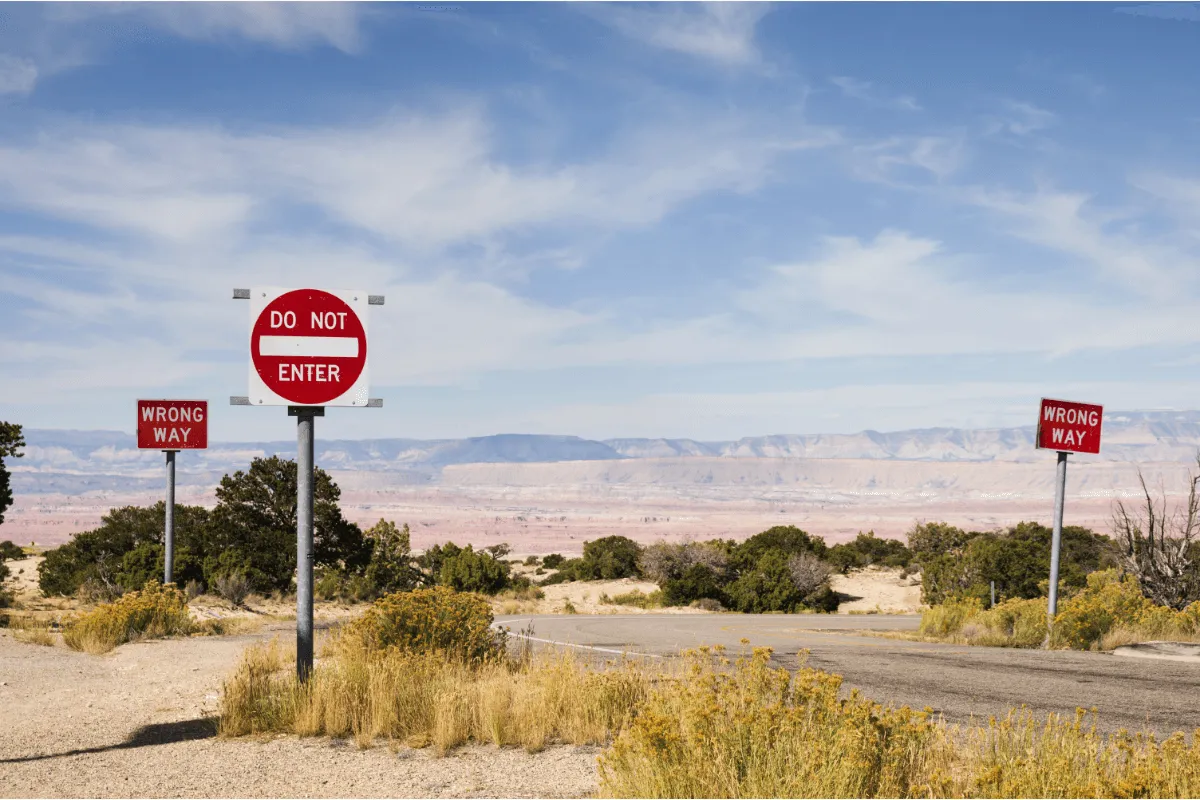
According to the AAA Foundation for Traffic Safety, Texas is number one in the nation for the highest number of wrong-way crash fatalities. The threat of running into a wrong-way driver is becoming more frequent, as deaths are now skyrocketing from these types of car crashes across the state. A recent study determined that between 2015 and 2018 an average of 77 people died each year in Texas in wrong-way crashes. This is up 29 percent from the previous time period between 2010 and 2014.  Why do drivers choose to drive the wrong way on a road and why are wrong way crash accidents so severe? When a driver goes the wrong way down a street and is coming towards you, you may only have seconds to react to avoid being hit head-on in a crash.

Why Does a Driver Choose to Drive the Wrong Way?

Drivers who drive the wrong way on a road typically have not made this choice consciously. There are many risk factors that can contribute to a driver going the wrong way. Some of the most common risk factors for wrong way driving include:

  • The driver is impaired by alcohol or drugs
  • The driver is older and/or has dementia
  • There are no passengers in the vehicle to tell the driver they are going the wrong way
  • The driver is unfamiliar with the area
  • The driver has night blindness
  • The roads lack proper signage
  • The driver ignores road signs and traffic laws
  • The driver is on the road between midnight and 6:00 am
  • The driver chooses to pass a vehicle on a two-lane road when it is not safe

The majority of wrong-way crashes take place when a driver who is impaired does not realize they are driving the wrong way on a roadway. The most common timeframe within which a wrong-way crash takes place is between 2:00 am and 3:00 am. These times correspond directly to when Texas bars close their doors. At least 60 percent of wrong-way accidents in our great state involve at least one impaired driver.

Common Injuries that Occur in Wrong-Way Accidents

Wrong-way crashes, while not as common as other types of car crashes, often cause some of the most severe injuries. Wrong-way crashes are usually head-on collisions that take both drivers by surprise. A head-on collision is a type of car crash that happens when the front ends of two vehicles are hit straight on. They are one of the deadliest types of crashes on the roads today. On top of the common medical trauma sustained in a car accident, severe wrong way crash injuries can and often do result from direct force trauma caused by the sheer force of the impact.

Direct force trauma injuries can include:

  • Shoulder joint damage
  • Collar bone fracture
  • Pierced lungs
  • Broken ribs
  • Internal organ damage of the kidneys, liver, spleen, diaphragm, and other organs

Many wrong-way crash victims may not realize they have internal injuries after the crash and can walk away thinking they are okay. Internal injuries often take time to fully present themselves, which makes seeking immediate medical treatment essential after a wrong-way crash.

Another factor to take into consideration with wrong-way crashes is the potential for car fires. Head-on vehicle collisions can quickly lead to car fires with explosive consequences. If the car dashboard is damaged and car wiring severed, the resulting sparks could ignite fuel in the area and lead to a car fire. Car fires can quickly increase the risk of death in a car accident. Fires spread quickly from under the hood into the passenger cabin; and, if an accident victim is incapacitated or is trapped in the cabin, they could succumb to smoke inhalation, serious burns, or other injuries.

How Can I Avoid Wrong-Way Crash Accidents?

Debbie Callahan, the continuing education chair for the Texas Professional Drivers Association provided the following tips for avoiding a wrong-way crash accident:

  1. Focus on defensive driving skills at all times when on the road.
  2. Focus your gaze up ahead on the road, constantly moving your eyes from the rearview mirror to the side mirrors to spot any potential hazards.
  3. Put phones away and keep your hands at 9 o’clock and 3 o’clock on the steering wheel.
  4. Properly wear a seatbelt on every drive.

These tips can help drivers have enough time to react if they see a wrong-way driver ahead on the road. Drivers will also be able to stay fully in control of their vehicles and make sudden maneuvers if they have kept their attention on the road ahead.

Weslaco, Texas Wrong Way Car Accident Attorneys

If you have been in a wrong-way car accident, you may be scared, frustrated, and not know what to do. By selecting knowledgeable legal representation, you won’t have to worry as much about your next steps. Contact the South Texas wrong-way car accident lawyers at Ezequiel Reyna, Jr. Law Office today to discuss your case in a free consultation. There is limited time to act following a motor vehicle accident in Texas, so don’t delay.
The National Trial Lawyers Announces Ezequiel Reyna as One of Its Top 10 National Latino Trial Lawyers in Texas

The National Trial Lawyers announced that Ezequiel Reyna of the Law Offices of Ezequiel Reyna Jr., P.C., in Weslaco has been selected for inclusion into its Top 10 National Latino Trial Lawyers list, an honor given to only a select group of lawyers for their achievements in the field. With his selection, Mr. Reyna has proven that he exemplifies superior qualifications, leadership skills, and trial results as a trial lawyer.

The Top 10 National Latino Trial Lawyers Association Award is a professional honorary organization for distinguished lawyers across the United States. Its membership is composed of the Top 10 National Latino Trial Lawyers in each state or region who have demonstrated excellence and have achieved outstanding results in their careers in areas of practice.

Commenting on the award, Ezequiel Reyna said, “I am truly honored to receive this award from the National Trial Lawyers Association, who are leaders in providing essential legal news and education. Because of my background and culture, I am able to connect and understand the reality of the population we serve. We have bilingual staff that offers free consultations and provides 24/7 service.”

“It’s important to be accessible to all our clients and serve the Latino community effectively,” said Reyna.

ABOUT EZEQUIEL REYNA LAW OFFICE

The Ezequiel Reyna Law Office is the largest personal injury firm in the Rio Grande Valley. The firm represents individuals and their families in serious personal injury cases. Reyna has acquired well over $1 billion in verdicts and settlements in his career and has fought against some of the largest companies in the world. To contact Ezequiel Reyna, call 24/7, 956-968-9556 or toll free at 1-877-396-2529 (1-87-REYNA-LAW). For more detailed information, go to www.zreynalaw.com.

The National Trial Lawyers is a professional organization comprised of the premier trial lawyers from across the country who have demonstrated exceptional qualifications in criminal defense or civil plaintiff law. The National Trial Lawyers provides accreditation to these distinguished attorneys, and provides essential legal news, information, and continuing education to trial lawyers across the United States.
To learn more about The National Trial Lawyers, please visit: https://thenationaltriallawyers.org/.

Most Common Construction Work Zone Accidents

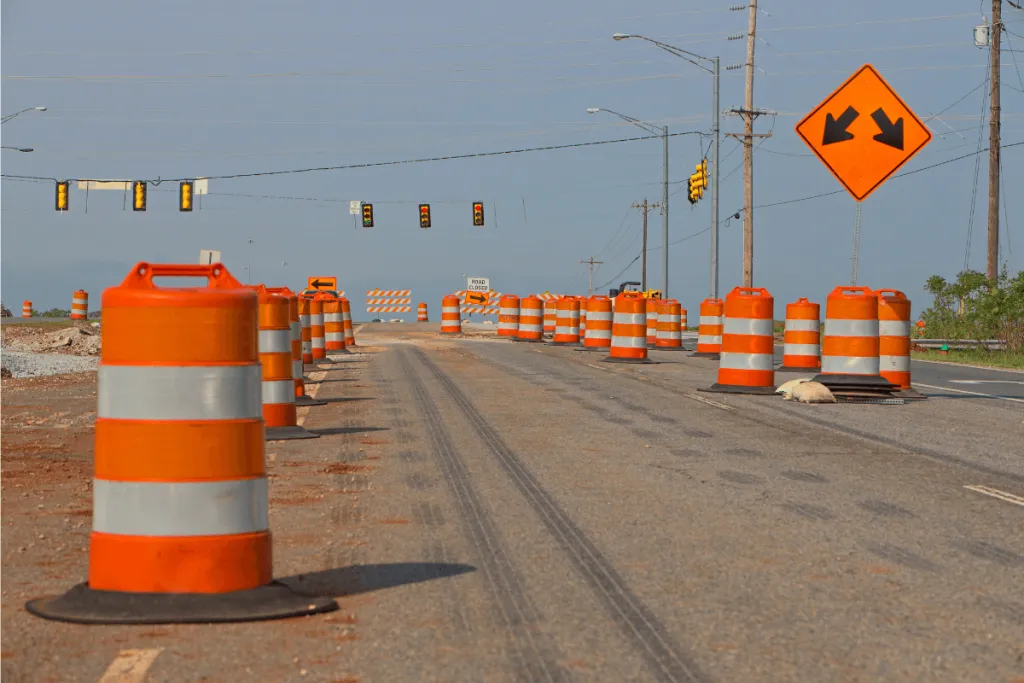
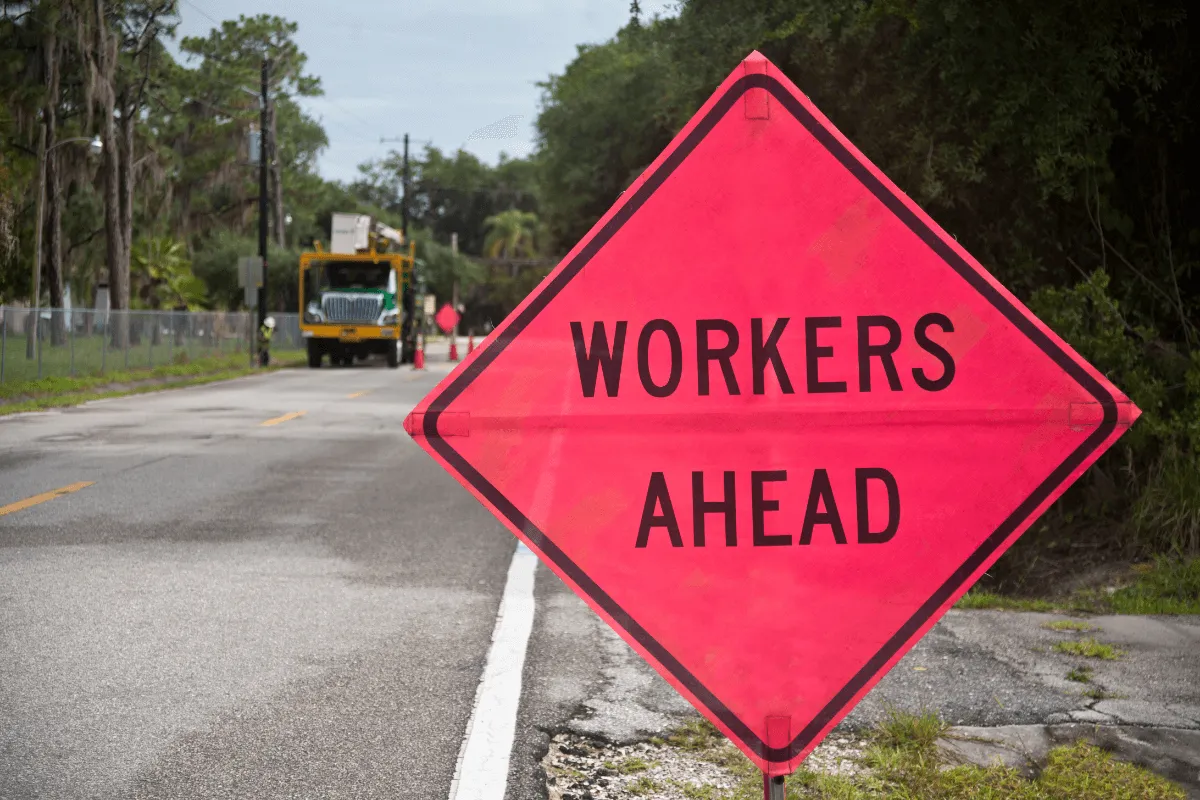
As one of the country’s largest states, Texas has a lot of roads and highways – and many of them are often under construction in order to expand and improve our state’s infrastructure. While many drivers get frustrated when they see the orange diamond shaped signs indicating road construction is ahead, we should all be grateful for driving improvements and take care when driving near those who are working hard to make them.

Between 2018 and 2019, fatal crashes in work zones increased 11 percent nationally while fatal crashes outside of work zones decreased two percent. According to the Texas Department of Transportation (TxDOT), our state has at least 3,400 active work zones; in 2020, more than 22,000 traffic crashes occurred in work zones, resulting in 186 deaths and 680 serious injuries. So, what can we do to help prevent construction work zone accidents?

Construction Work Zone Accidents Safety

Work zones change up a driver’s usual route, and if the driver isn’t prepared for a change in the number of lanes or a detour caused by road closures, accidents can happen pretty easily. In addition to mixing up a routine, construction work zones on the roadway can also include uneven pavement, potholes, narrow lanes, barrels, additional concrete barriers, and more hazards that can contribute to additional car accidents. If you see the signs of an upcoming construction zone, be sure to:

  • Drive slowly, following the posted reduced speed limit and being mindful of workers and equipment that may be on or very near the roads (this may also mean you need to give yourself extra time for your drive so you are not in a rush)
  • Pay even greater attention than usual and avoid distractions
  • Leave more room between your car and other vehicles because tailgating always makes rear-ending accidents more likely, but even more so in a work zone where abrupt stops can be common
  • Stay calm and be patient while being sure to buckle your seatbelt

Common Roadway Construction Accidents

Transportation events account for at least 76 percent of roadway work zone fatal occupational injuries and of those, 60 percent involved a worker being struck by a vehicle in the work zone. Vehicles backing up accounted for 89 percent of worker deaths. Larger vehicles, such as pickup trucks and SUVs accounted for the most deaths. The most common types of road construction collisions include rear-end crashes, sideswipes, and collisions with objects like barrels, barricades, and signs. The most common driver-related causes of work zone crashes are speeding and driver inattention; but, aggressive, reckless driving, impaired driving, and drowsy driving also cause and/or contribute to roadway work zone crashes. However, some additional common causes of construction zone accidents are attributable to the employers of our state’s construction workers, and include:

  • Failure to follow the legal guidelines for safe construction
  • Poor construction zone design
  • Failure to post adequate warning signs or inaccurate/not visible signage
  • Unlevel roads
  • Improper placement of barricades
  • Insufficient lighting at night or during inclement weather

According to the National Safety Council, the majority of work zone fatalities happen on roads with speed limits of 55 miles per hour or more. So construction companies need to be extra cautious when setting up work zones in high speed and high traffic areas like these.

What Damages are Available for Construction Zone Accident Victims?

In order for the victim of a motor vehicle accident to be entitled to compensation for the resulting injuries, another party must be found to have been negligent, or at fault, for the collision. Because negligence is a complex legal issue to begin with and becomes even more complex in a work zone accident, it is crucial that victims consult with an experienced personal injury attorney to determine who is responsible for their injuries so they can pursue a claim against the responsible party or parties.

After a construction zone crash, an injury victim and/or the survivors of a wrongfully killed individual may be entitled to financial compensation for various types of damages, including:

  • Property damage to your vehicle
  • Past, current, and future medical bills and related expenses
  • Lost wages and loss of future earning capacity
  • Pain and suffering and mental anguish
  • Disfigurement
  • Loss of consortium
  • Loss of enjoyment of life

Texas Construction Work Zone Accidents Lawyers

If you were injured in a work zone crash, you may be able to obtain financial compensation from the responsible party or parties. If a construction company or government entity was negligent, they can be held liable, as can other drivers if their actions caused the accident. Ezequiel Reyna, Jr. grew up in Weslaco, Texas and has practiced personal injury law locally for over 40 years. He has achieved award-winning results for his clients throughout his legal career and would be honored to help you and your loved ones. Contact the Ezequiel Reyna Law Office team today for a free consultation with our law firm.

Common Workplace Injuries for Factory Workers

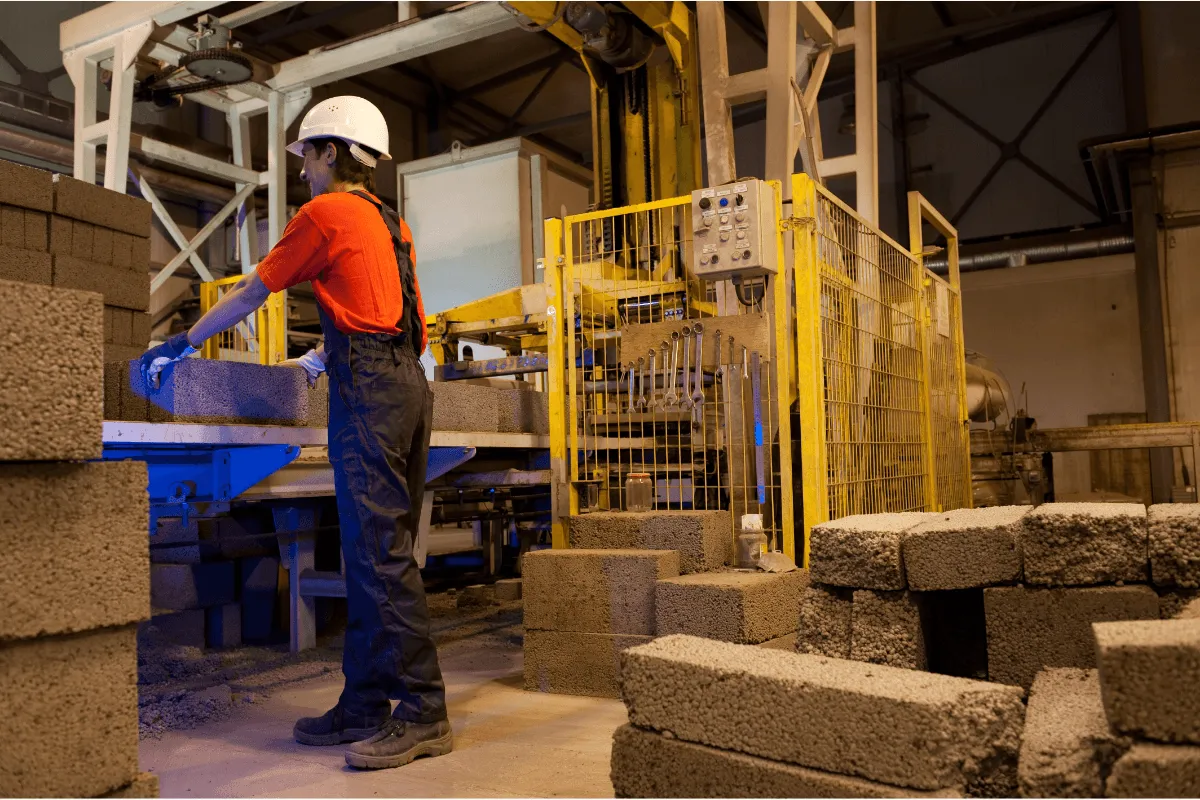
Working in a factory can be a consistent and rewarding profession that supports the local community and state economy. These essential workers keep goods moving and shelves stocked. While factory workers perform a variety of different tasks in their work environments, they all face similar hazards that can put them at risk of injury. Employers are legally required to provide safe work environments, safety training, personal protective equipment, and more to keep their workers safe. When an employer has been negligent and fails to keep its workers safe, it maybe held liable for common factory worker injuries. Employers may try to downplay the injuries of their workers or not take their injuries seriously. Every worker has the right to fair compensation and needed medical treatment. If you are factory worker who has been injured on the job, have you experienced an injury type listed below?

Overexertion Injuries

When a factory worker overexerts themselves, either lifting something too heavy or working on their feet for long hours without taking any breaks, they can suffer from overexertion injuries. Many musculoskeletal disorders are caused by overexertion and can affect the muscles, ligaments, tendons, and nerves. Working in a factory can be incredibly physical and requires stamina to be able to complete physical tasks. Some work activities can cause back and neck injuries that can be incredibly severe. Another category of overexertion injuries stems from workers being dehydrated. If a factory worker is not allowed to take breaks and is working in a hot environment, they may not have the opportunity to drink water and stay hydrated. Dehydration can lead to heat exhaustion, fainting, and falling.  Mandatory breaks are essential for keeping workers from overexerting themselves in the workplace.

Slip and Fall Injuries

Factories often have wet, slippery surfaces and uneven steps. Workers may spill oil or lubricants on the floor that can cause others to lose traction, leading to slips and falls. Workers are at risk of a number of different injuries from slipping and falling. Broken bones, head injuries, spine injuries, sprains, strains, and other traumatic injuries can occur from a slip and fall. There are rarely soft surfaces to land on when falling in a factory, so workers must brace their fall against a hard wall or the hard ground. Employers must make sure their work environments are free from slip and fall hazards or they may be held liable for associated worker injuries.

Heavy Machinery-Related Injuries

Heavy machinery is often used in factories to perform work-related tasks and to transport items around the facility. Commonly used heavy transport machinery includes forklifts, trucks, tractors, cranes, and more. Just like in passenger vehicles, accidents can occur and workers can be seriously injured or killed. Forklifts and tractors are known to rollover and crush workers. Trucks driven on a worksite may have blind spots and could easily back into a worker or pin a worker against a wall. While using industrial and assembly machinery, workers unfortunately can get their limbs sucked into a machine if it has not been properly safeguarded. Because machines utilize automatic gears and conveyer belts, it may take time for a machine to be shut down in order to try and save a worker who has gotten caught. Injuries that are caused can include deep lacerations, crushed bones, severed limbs, and death. Proper training and safety signage is absolutely essential to keeping workers safe around heavy machinery.

Fires and Explosions

Many factories work with combustible materials that are necessary to create a product. If these materials catch fire from machine sparks, lightning strikes, or other fire sources, a major fire or even an explosion can occur that put all workers in serious danger. If a factory worker is caught in this type of serious accident, they can suffer serious burns, nerve damage, skin damage, and death. Lung damage can also occur if a worker inhales hot smoke or fumes resulting from the fire or explosion. Proper fire safety protocols must always be in place in a factory.

Exposure to Harmful Chemicals

Many factories use multiple harmful chemicals to create their products. While many companies do their due diligence and train their employees on how to use these chemicals, have their chemicals properly labeled, and safely dispose of the excess, some companies do not. When an employer does not properly handle and dispose of harmful chemicals, that puts factory workers at serious risk of injury. Any sort of chemical spill or release can cause serious burns, respiratory system damage, skin irritation, blindness, and even death. Safety equipment can only go so far to protect a worker from chemical exposure. Daily exposure to chemicals, even when using safety precautions, puts factory workers at risk of developing long-term illnesses including cancer and lung disease.

Repetitive Motion Injuries

Many factory workers perform repetitive tasks utilizing the same movements over and over again. Assembly line workers often find themselves sustaining repetitive motion injuries. Repetitive movements can wear down a factory worker’s soft tissue, resulting in chronic pain, carpal tunnel syndrome, back injuries, neck injuries, and other health concerns. It does not take strenuous effort to sustain a repetitive motion injury as the repetitive nature of the task slowly chips away at the soft tissue over time. The factory worker may also lose strength in the affected areas, which makes it more difficult to do their job.

South Texas Factory Worker Accident Lawyers

The risk of being injured or killed as a factory worker is incredibly high. If you are a factory worker who has been injured on the job, you may be searching for legal counsel to help. With the right legal team behind you, you may be able to obtain the financial compensation you need to cover your medical bills, lost wages, and pain and suffering from your workplace accident. We know that you are suffering but that you also do not want to be a financial burden to your family. Contact the Rio Grande Valley workplace accident attorneys of Ezequiel Reyna Law Office today to discuss your situation at no cost. There is limited time to act following a factory accident in Texas, so don’t delay.

What is an Unsafe Speed for Driving?

Statistics don’t lie – speeding puts all drivers and passengers on the road in danger. According to the National Highway Traffic Safety Administration (NHTSA), speeding killed 9,478 people in 2019 and has contributed to at least one-third of all motor vehicle fatalities each year for over two decades. Even with fewer drivers on the road during to the COVID-19 pandemic, NHTSA has predicted that fatality counts in speeding-related crashes will increase by 11 percent from 2019 to 2020 once the final crash statistics are calculated. Even though modern life can be frustrating with work, school, and busy schedules, driving at unsafe speeds puts everyone at risk. How can you tell if your speed is an unsafe speed for travel? The following will help you learn how to gauge safe speeds on the roads.

Drivers tend to choose their driving speed based on three different factors, including the posted speed limit for that particular road, the speed of the other vehicles around them, and the current driving conditions. Ideally, all cars on the road will be moving at roughly the same speed, all within the posted speed limit. We all know, however, that this is not the case. Even though speed limits are designed to help traffic flow safely and efficiently, many drivers in Texas do not choose to follow the flow of traffic or drive at the posted and safe speed limit. If a driver chooses to drive much faster than the surrounding traffic, that would be considered driving at an unsafe speed. They are putting themselves and those around them in danger by speeding, which can result in tailgating, weaving in and out of traffic to avoid hitting other vehicles, and braking suddenly when they cannot move to another lane to avoid the car in front of theirs. All of these actions can quickly lead to a serious car accident.

Driving at fast, unsafe speeds changes the way a driver is able to handle their vehicle. When a safe speed is exceeded, the following can occur:

  • The vehicle cannot be controlled effectively.
  • The total stopping distance needed to avoid hitting another vehicle is significantly increased.
  • Damage caused by a collision is much more severe.

The faster a car is traveling, the greater the impact will be in a collision. High-impact car accidents caused by drivers traveling at unsafe speeds can cause incredibly severe injuries and even death. The time it would take for the vehicle to stop should help a driver determine how much space to leave between their vehicle and the car ahead of theirs. This in turn will help determine what is a safe speed for the vehicle to be going in order to leave sufficient room to brake and stop fully before rear-ending the car in front of them. To determine an appropriate following distance, watch the vehicle ahead of you and start counting seconds as that vehicle passes a landmark. Landmarks could include pavement markings or road signs. The number of seconds you can count before your car passes the same landmark tells you how much time you would have to brake in seconds before hitting that car if they stopped suddenly in front of you. Giving yourself at least three to four seconds of following distance between your car and the next vehicle is a good way to maintain a safe traveling speed.

Even when a speed limit is posted, road conditions may not be safe enough to drive at that speed. There may be inclement weather, including torrential downpours, that decreases visibility and makes road conditions slippery. High winds can also increase the difficulty of keeping your car on the road and ice can decreases the ability of vehicles to brake suddenly. There may also be heavy traffic, a collision, or debris in the road. All of these factors must be considered when choosing a safe speed of travel. If a driver tries to drive the posted speed limits, but the road conditions are not safe at that speed, the driver is choosing an unsafe speed of travel and is putting others at risk of a motor vehicle collision. Drivers must adjust their speed to match the conditions in which they are driving to be able to prevent devastating car accidents.

Sometimes, driving too slowly can also be considered unsafe. There are some high-speed roads that require the flow of traffic to be at a minimum speed for all drivers to be kept safe. Otherwise, the slower vehicle presents a hazard to the faster-moving traffic around them. When you see a speed limit sign that has not only a maximum posted speed but also a minimum posted speed, it is essential to drive at least at that speed to be safe. Driving too slowly may be against the law, as you could be blocking or delaying the flow of traffic at safe speeds that prevent auto accidents.

In any case, determining what is a safe driving speed versus an unsafe driving speed will help keep traffic flowing on the road as well as prevent car accidents from occurring.

Weslaco, Texas Car Accident Attorneys

If you have been hit by a driver traveling at unsafe speeds, you may be scared, frustrated, and not know what to do. By selecting knowledgeable legal representation, you won’t have to worry as much about your next steps. Contact the South Texas car accident lawyers at Ezequiel Reyna, Jr. Law Office today to discuss your case in a free consultation. There is limited time to act following a motor vehicle accident in Texas, so don’t delay.

Why a Pedestrian Hit by a Car Can Be Deadly

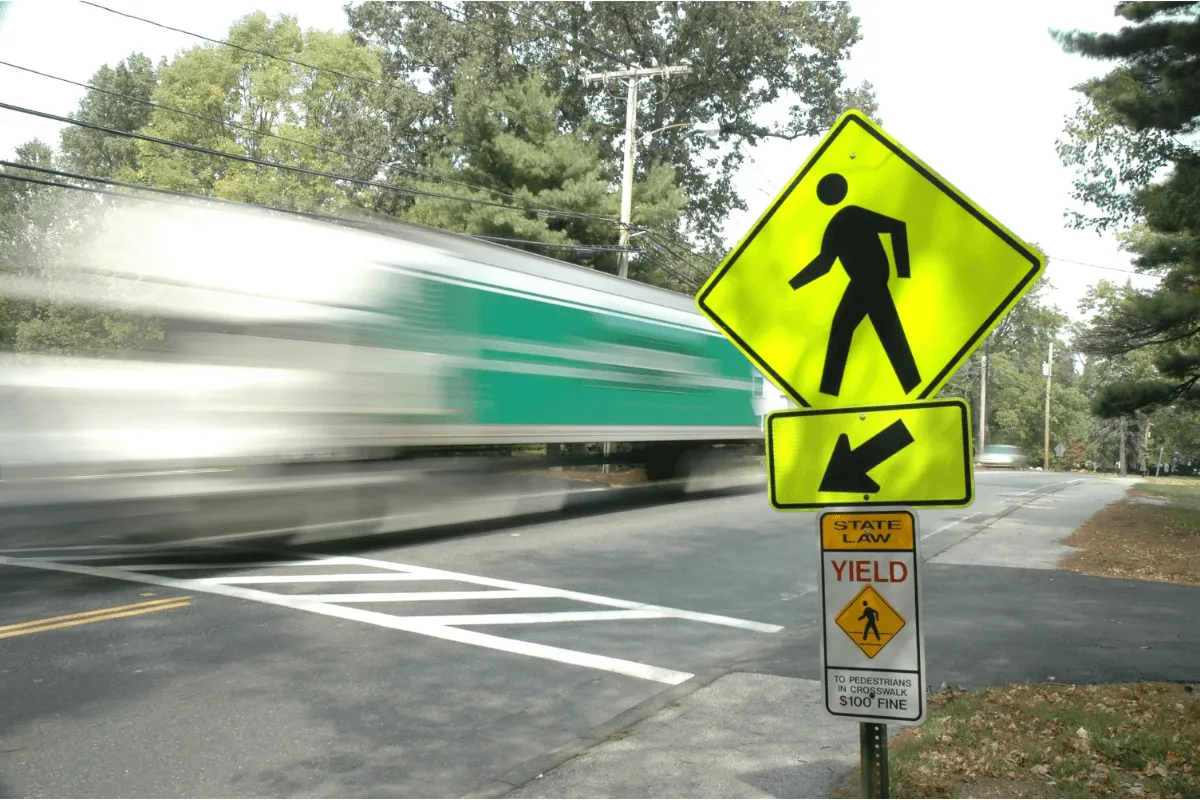
Pedestrian accidents are incredibly common in Texas. The human body, while supported by a strong skeleton and musculature, can only take so much force before breaking. Pedestrians are constantly at risk of being hit by a vehicle that can seriously injure or kill them. Just this year, a young girl lost her life in Weslaco, TX while walking down the street. A Ford Mustang struck 16-year-old Zitlali Diaz who was pronounced dead on the scene. The scene of the accident was dark with little to no visibility and a lack of improved shoulders for pedestrians along that road. Being a pedestrian is not easy, as your body has no protection against the large vehicles that can hit you. If you or a loved one were hit by a car while walking through your town, please contact our office today for a free consultation.

What Happens When a Pedestrian is Hit by a Car?

There are typically three phases that occur when a pedestrian is hit by a car – the initial impact, the pedestrian’s trajectory, and the ground contact. The distance from the initial place the pedestrian was hit to the resting place of the pedestrian is known as the “throw distance.” If a car hits a pedestrian at a lower speed, the throw distance will be short. If the car is traveling at high speeds, the throw distance may be quite large. When a pedestrian is hit by a vehicle, the following usually happens:

  • Initial impact: The bumper of the vehicle will hit the knee joint or middle of the pedestrian’s leg if they were standing up straight. The thigh will then impact the edge of the hood and the body will subsequently be carried on the hood of the car. This can be head-on or from the side.
  • The pedestrian’s trajectory: The pedestrian may be thrown forward, to the side, or may be thrust inward into the windshield.
  • Ground contact: The pedestrian will then make impact with the ground away from the vehicle, can fall to the ground after rolling off the vehicle, or be stuck on the car.

That initial contact will depend on the height of the car, the height of the pedestrian, and if they are hit head-on or on the side. If a pedestrian is hit by a much larger vehicle like a truck or bus, the individual may be immediately and forcefully knocked down to the ground and be run over by the vehicle. The force of the impact depends on the driver’s speed and whether the driver tries to brake or swerve away from the pedestrian. The worst injuries and highest potential for pedestrian fatalities happens when a driver does not slow down at all and hits a pedestrian at full speed.

The Types of Injuries Sustained when a Pedestrian Is Hit by a Car

The majority of pedestrians are hit by motor vehicles on their side as they are crossing the road, either at a crosswalk or in the middle of the street. Many of these auto pedestrian accidents happen at lower speeds when cars are driving at 25 mph or less. Even at these lower speeds that would usually cause minor injuries in a car accident, pedestrian injuries can still be incredibly serious or deadly because pedestrians are completely unprotected. Because the pedestrian often goes through two separate impacts when hit by a car, the initial impact and then the ground contact, they have the potential for multiple significant injuries.

The most common injuries faced by pedestrians hit by a car include:

  • Brain injuries: Traumatic brain injuries and other head injuries are the most common cause of pedestrian fatalities. These may include concussions, skull fractures, intracranial swelling, hemorrhages, and puncture wounds. When a pedestrian’s head makes impact with the vehicle’s hood or other parts of the car, they are hitting a solid metal panel or glass window / windshield. These hard surfaces can cause serious, permanent damage to a person’s brain.
  • Spinal Cord Injuries: A pedestrian who is hit in the back, side, or who hits their spine upon ground contact can sustain serious spinal cord injuries, including herniated discs, nerve damage, and paralysis. If the spinal column is severed at any point, the damage may be irreversible, causes paralysis, or be deadly.
  • Broken Bones: Broken bones are incredibly common injuries seen when pedestrians are hit by cars. These can range from minor fractures to major breaks that puncture through the skin. All broken bones must be treated by a medical professional for proper healing which can take weeks to months.
  • Internal Organ Damage: When a pedestrian is hit by a car, their internal organs can easily be damaged from the impact. Internal bleeding is incredibly dangerous, as well as organ rupture, and can be deadly if not treated immediately.
  • Loss of Limbs: When a pedestrian is pinned against a wall or other surface by a car, they may end up losing limbs if the blood circulation to the limb has been completely lost or the limb has been completely crushed and/or severed by the impact.
  • Cuts, Scrapes, and Bruises: From the initial impact to ground contact, there are many ways a pedestrian who has been hit by a car can be cut, scraped, or bruised in an accident. Road rash, when the body has been forced to slide along a rough surface like the road, can cause severe pain and scarring as the body scrapes against the road’s surface and skin is torn off.
  • Death: From the injuries listed above, it is easy to see just how deadly a pedestrian accident can be. If the impact is at high speeds, the pedestrian may die on initial impact. They may also be flung by the vehicle and die when they make contact with the ground.

Pedestrian accidents are some of the most serious motor vehicle collisions in Texas. Without the protection of airbags or metal frames, pedestrians take on the full force of the impact. It is essential to be aware of your surroundings at all times while driving your car or while walking down the road to avoid being in a terrible accident.

South Texas Pedestrian Accident Attorneys

Car accidents involving a pedestrian can be complex and stressful situations. By choosing experienced legal representation, you won’t have to worry about what steps to take to receive fair compensation for your damages. If you or a loved one has been injured or killed in an auto pedestrian accident, contact the Weslaco car accident lawyers at Ezequiel Reyna, Jr. Law Office today to discuss your case. There is limited time to act following a Texas pedestrian accident, so don’t delay.

How Dangerous Are Oil Field Worker Accidents?

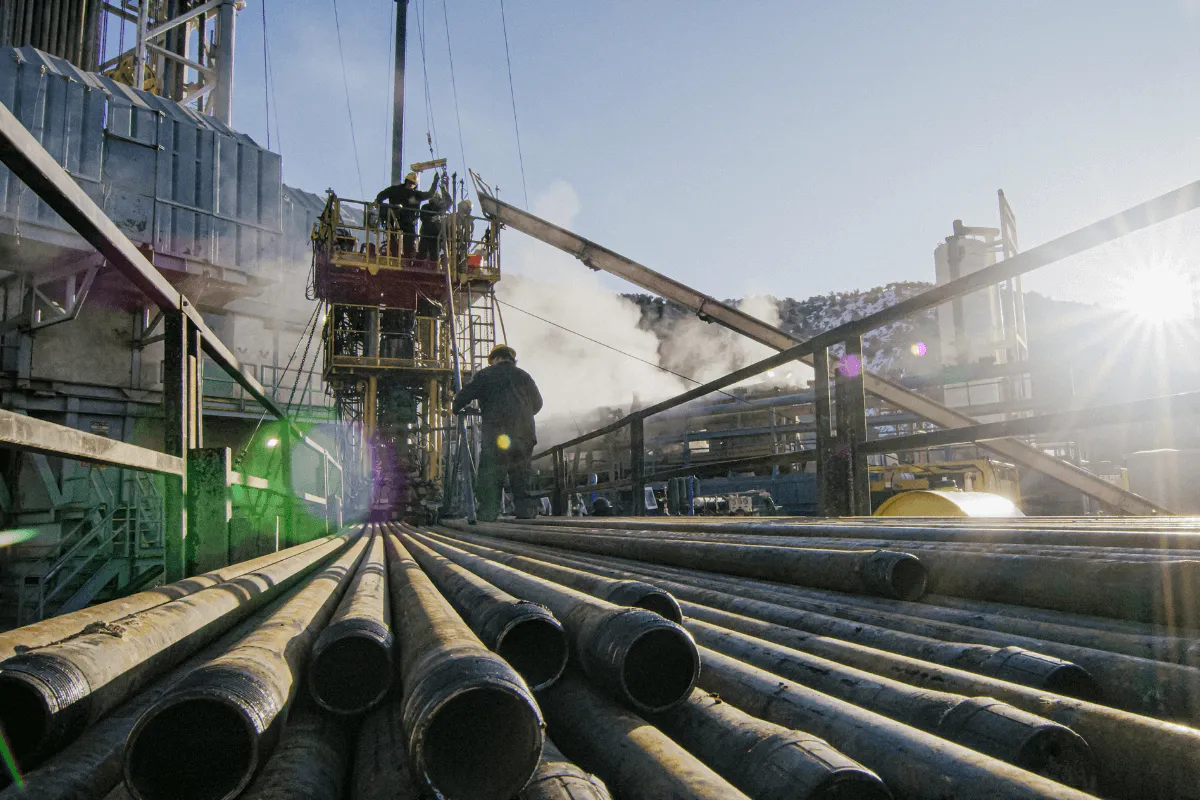
While many occupations come with workplace hazards, working in the oil and gas industry can be deadly. Oil and gas workers, especially those working in oil fields, are subject to some of the highest rates of severe injury and death as reported by the Occupational Safety and Health Administration (OSHA). Recent reports compiled by the Center for Public Integrity, The Texas Tribune, The Associated Press, and Newsy profiled how catastrophic oil field injuries can be. The report found the death rate was almost five times that of all other industries in the United States combined. Many people wonder why oil field accidents are so dangerous for workers. Data from the US Department of Labor’s Bureau of Labor Statistics showed that between 2008 and 2017 OSHA issued over 10,000 citations to oil and gas companies, deeming the majority of oil field work environments hazardous to workers and likely to cause death or serious physical injury.

What are the dangers?

Multiple factors contribute to the hazardous working environment surrounding oil and gas extraction. Many of these dangers stem from tension to meet production quotas that tempt oil and gas companies to cut corners. When work is performed under pressure and often in extreme weather conditions, the risks increase exponentially. While OSHA continues to increase its efforts to enforce safety protocols, it can be complicated as many companies in the “upstream” industry sector (including oil and gas refineries, chemical plants, and other high-risk operators) are not necessarily required to comply with all OSHA safety standards. Oil field industry fatalities are often some of the most gruesome because the equipment workers are operating and the chemicals used in the extraction process can be incredibly dangerous. The list of accidents that can occur in the oil field industry is extensive and daunting. Equipment failure, explosions, and unsafe conditions constantly put oil field workers at risk.

The following are some of the most common types of dangerous oil field accidents:

Equipment Failure Accidents

Many oil field drilling sites have extremely large and dangerous equipment that workers must operate to extract the oil. This equipment is required for pulling large pipe, drilling, mixing mud, and many more tasks involved in oil extraction. Because this machinery is so large and heavy, any malfunction or failure can be fatal. This machinery must be well-maintained and inspected before use for workers to be able to do their jobs in a safe manner. Oil field companies must also take the time to properly train their workers on how to use this machinery. Accidents occur when machinery is not properly used, has not been maintained, or malfunctions. Injuries that can occur from equipment failures include dismemberment, being crushed, getting stuck in a machine, broken bones, burns, and even wrongful death.

Fires and Explosions

When working in an oil field, the process used to extract oil and gas can release different types of flammable gases into the air. These can quickly ignite due to the presence of open flames, static electricity, and high-heat machinery, among other triggers. Explosions and fires are especially dangerous because there is so much fuel in the environment with which to create a devastating blaze. With that much fuel in the air, flames can spread quickly and explosions can gain high amounts of energy, making it easy to seriously injure those in the area. Injuries sustained from explosions and fires in an oil field include first-, second-, and third-degree burns, disfigurement, impact injuries, broken bones, loss of limbs, impalement from flying debris, and untimely death.

Hazardous Chemical Releases

Oil field hazards include much more than just explosions or poorly maintained equipment. Many toxic substances are regularly used on worksites during the extraction process. Even though personal protective equipment should be used, some dangerous substances can be accidentally released and put all workers in danger. Some of the toxic chemicals used in the oil field industry include Sulfur Dioxide, Benzene, Nitrogen Oxide, Hydrofluoric Acid, Polycyclic Hydrocarbons, and Petroleum Coke. Many have been shown to cause cancer as well as harm the human immune response. Others have been proven to cause heart disease, severe respiratory damage, or poisoning.

Oil Well Blowouts

During the drilling process, a well blowout can occur that can quickly ignite and injure or kill workers in the surrounding area. A well blowout happens when there is an uncontrolled release of oil while drilling. Usually, a blowout occurs as the result of failing machinery, specifically the malfunction of the pressure control system inside the well. If the oil from a blowout is ignited, the entire oil field is put in danger of explosion.

Hazardous Oil Field Worksite Conditions

A poorly maintained oil field can create a hazardous work environment that can lead to many different types of injuries. Workers may slip, trip, and fall as a result of poor lighting, slippery surfaces, or equipment laying around that has not been put away properly. The ground may also be uneven, as drilling can change the landscape. Workers may also be exposed to open heating elements, machinery that sparks, or other poorly maintained equipment that can cause a serious accident.

What can oil field workers and their families do if they are injured or killed?

Most oil field workers are considered contractors, not employees. They have the right to file a lawsuit against the company that hired them if that company failed to follow standard industry safety protocols or failed to take appropriate steps to prevent workers from being injured or killed. While it may be daunting to think about filing a lawsuit against a big oil and gas company, these companies must be held accountable for the workplace injuries that result from their negligence.

Explosions and fires have drastic consequences, not only for those directly affected but for their friends and family who help pick up the pieces. Medical expenses can quickly pile up, and if you are the sole earner in your household, these additional expenses can be a burden when you already have a number of other financial obligations.

When you call the Ezequiel Reyna, Jr. Law Office for a free consultation, there is no obligation. We want the best for you and your family.

Jose Hernandez Celebrates 25th Work Anniversary with Ezequiel Reyna Law Office

This year, we have the honor of celebrating 25 years of Mr. Jose Hernandez working with the Ezequiel Reyna Law Office. What began as a mentorship between Mr. Hernandez and Mr. Reyna quickly grew into a friendship. Since then, the two have worked together for over two and a half decades. Today we share the wonderful things Mr. Reyna had to say about Mr. Hernandez in a recent interview, highlighting the deep respect that has evolved through their working relationship and the incredible work Mr. Hernandez has done as our Management Accountant.

Mr. Reyna first met Mr. Hernandez in 1972 as a freshman at Pan American University while studying accounting and business. Mr. Hernandez worked as an Accountant Comptroller at a mental health clinic in Hidalgo County, and Mr. Reyna applied for a work-study program at the clinic. Mr. Reyna was 18 years old when Mr. Hernandez hired him, and he worked under him in accounting for about three years before moving to a different department at the clinic.

“While I was there with Mr. Hernandez, it was a beautiful experience because he provided me with an invaluable education on accounting, which I use for all of our businesses. I can’t say enough about how much I learned from him. He was a great mentor, professionally and personally.”

After Mr. Reyna completed his undergraduate degree from Pan American University, he attended law school at the University of Houston. Soon after, he started his law practice and implemented the fundamental business lessons and the foundation of a strong work ethic Mr. Hernandez taught him.

There was a gap in time that Mr. Reyna had spoken to Mr. Hernandez, but he always remembered him. In 1995, Mr. Hernandez sought Mr. Reyna out for legal advice. It was during this session that they entered into a new phase. Mr. Reyna asked if Mr. Hernandez would take over the accounting at the law office, and Mr. Hernandez agreed.

Mr. Reyna knew he wanted Mr. Hernandez on his team, claiming he is “the most loyal person I’ve ever met, the most honest person I’ve ever known, and is very competent at his work and his duties.” On any given day, Mr. Hernandez can present accounting numbers to Mr. Reyna with 100% accuracy, often before Mr. Reyna even asks.

“It’s essential to have somebody like Mr. Hernandez working with us because as a lawyer, entrepreneur, and businessman, I am always trying to stay ahead of the curve; you have to. I’ve come to find out that he’s been studying me all these years, and he always can project what I will be needing. He is always prepared, one step ahead, and is ready to deliver the appropriate reports. 

Mr. Reyna appreciates that he can wholeheartedly trust that the firm’s accounting is in good hands. Mr. Hernandez has eased the stress of the financial side of running a business, and this is just one of the many reasons he is an invaluable asset to the firm.

“Joe has played an integral part here. I have never had to take a second look at our accounting department or second guess him.”

Personally speaking, Mr. Reyna says he respects the fact that Mr. Hernandez is so firm in his convictions — spiritually and professionally. He says Mr. Hernandez’s dedication is evident in everything he does, from his role at the law firm to his role as a father and husband.

“It’s good to see somebody like him every day to reassure us that we’re on the right track in life. He’s done that. He and his wife have been a cornerstone in my life.” 

On behalf of the Ezequiel Reyna Law Office, the Reyna family, and all the staff, we salute Mr. Jose Hernandez. We appreciate the hard work he has put in every day for the past 25 years and look forward to continued success. Cheers to 25 years with Mr. Jose Hernandez!

Dangerous Realities of Being a Utility Worker

Utility workers perform jobs that are critical to keeping our society functioning. From keeping electricity running to every home, office, and commercial property to ensuring water flows safely through pipes throughout our cities, the daily labor of utility workers keeps the country from grinding to a halt. This line of work, while essential to our infrastructure, can be incredibly dangerous. There are many hazards that each worker faces on a daily basis that can cause serious injuries or even death. Utility companies must have safety policies and procedures in place to protect their workers and keep them safe from the inherent dangers of their line of work.

What are the hazards?

There are many common hazards associated with utility work that workers must be prepared for. Many utility workers have to perform their jobs in the pouring rain, the dark of night, underground, at great heights, or in the middle of the street. Utility workers often find themselves working in unstable environments outside of their control as the weather can quickly change and cause a hazardous situation. Failure to identify hazards while working can quickly lead to devastating consequences.

Some of the common hazards utility workers face include:

  • Electrical shocks – One of the greatest hazards for utility workers is electric shock. This is especially true for those working for a power company. Working with dangerous power lines takes skill and incredible attention to detail, as even the slightest distraction can result in a painful injury or even death.
  • Slips, trips, and falls – All jobs in America have the risk of injury due to a slips, trips, and falls. The unstable conditions utility workers often find themselves in make these sorts of accidents occur frequently. Injuries can range from minor sprains, strains, and fractures to broken bones, traumatic brain injuries, and spinal cord injuries.
  • Working from heights – Utility workers often use tall ladders, large cranes, and even climbing gear to reach poles and power lines. Working from a great height is always a high-risk endeavor. Falling off a ladder, crane, or power pole can cause serious injuries and could kill or disable a worker permanently.
  • Collapses and falling items – A lot of utility work is done underground, especially when working on pipelines or streets. If a part of the street is unstable and collapses, the utility worker could be crushed or trapped underground. They may also work below other utility workers and could be struck by falling debris or tools.
  • Burns and explosions – Utility workers often work with hazardous chemicals and building materials, electrical lines and equipment, and gas pipes. In each of these situations, if an item or chemical catches on fire, is splashed on a worker’s skin, or explodes, workers can be seriously injured and permanently scarred.

These are not the only hazards that utility workers face as many different utilities are in a variety of environments. Recognizing the dangers associated with daily tasks is essential to avoiding serious injuries.

How Can Utility Workers Stay Safe?

Safety procedures and policies are critical to keeping utility workers safe in their work environment. All utility companies must provide proper safety training for their workers, provide well-maintained personal protective equipment (PPE), and follow all signage requirements for hazards in the workplace. There are also specific OSHA standards in play when it comes to utility work.

The relevant OSHA standards that must be met in the utilities industry include:

Utility companies cannot cut corners when it comes to safety. OSHA requires employers to make sure their employees have undergone on-the-job training and can demonstrate the ability to perform duties safely at their level of training. If a specific job requires a ladder, the worker must be trained on ladder safety.  If working with hazardous chemicals, fumes, dust particles, electricity, or anything that can harm a worker through inhalation or touch, the worker must know what PPE to wear to stay safe. When the above OSHA standards are followed and all employees are able to perform their jobs safely, workplace accidents can be avoided.

South Texas Utility Worker Accident Lawyers

The risk of being injured or killed as a utility worker is very high. If you are a utility worker who has been injured on-the-job, you may be searching for legal counsel to help. With the right legal team behind you, you may be able to obtain the financial compensation you need to cover your medical bills, lost wages, and pain and suffering from your workplace accident. You may also be entitled to punitive damages if the court believes your accident is the result of your employer’s gross negligence. We know that you are hurting and do not want to be a financial burden to your family. If you or a loved one has been injured while working for a utility company, contact the Rio Grande Valley workplace accident attorneys of Ezequiel Reyna Law Office today to discuss your case at no cost. There is limited time to act following a utility work accident in Texas, so don’t delay.