
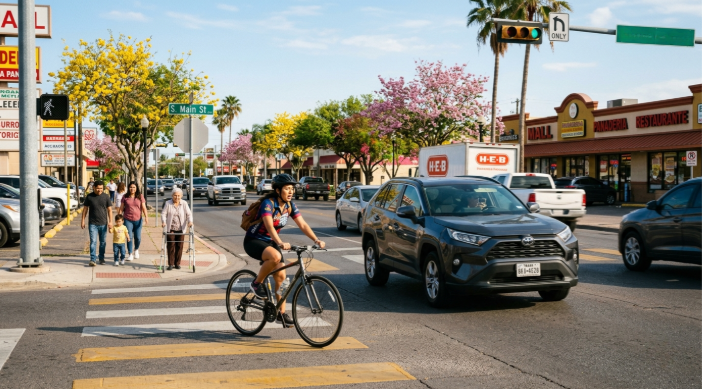
The Hidden Reasons Bicycle and Pedestrian Accidents Spike in Spring
Spring is a naturally joyful moment with warmer temperatures, blooming landscapes, and longer days. This is the perfect season for family outings and jogging, and people enjoy walking outside. Hence, the bicycles are dusted, joggers return to their sidewalks, and pedestrians enjoy walking in fresh air.
The beauty of the spring season is undeniable, but it also marks the beginning of a serious uptick in road accidents involving cyclists and walkers, incidents that often require guidance from a Personal Injury Lawyer in Texas to protect victims’ rights. If you have ever wondered why bicycle and pedestrian accidents in spring spike so sharply compared to other times of the year, the answer involves a combination of human behaviour, road conditions, and traffic patterns that converge in dangerous ways.
The Numbers Do Not Lie: Spring Is a Dangerous Season on Roads
According to the National Highway Traffic Safety Administration (NHTSA), summer regularly accounts for the highest monthly averages of pedestrian and cyclist fatalities, and the numbers begin climbing as early as March.
In 2023, NHTSA reported 1,166 pedalcyclist fatalities nationwide, a 4 per cent increase from the prior year, along with an estimated 49,989 cyclists injured in traffic crashes. While these figures reflect the full year, research consistently shows that warmer months carry a disproportionate share of these incidents.
A statewide study in Virginia found that nearly 60 per cent of pedestrian and cyclist injuries occurred between April and September, underscoring how concentrated the risk is during the spring and summer. The pattern is not unique to any one state. Across the country, March marks the turning point when activity picks up, and accident rates begin their seasonal climb.
Why Do Bicycle Accidents Increase During Spring?
Understanding why bicycle accidents increase during spring requires looking at both the roads and the people using them.
More People, More Collisions
The most straightforward explanation is volume. When temperatures rise, dramatically more cyclists, joggers, and pedestrians share road space with vehicles. This sudden increase in non-motorised road users creates more opportunities for dangerous interactions. Drivers who spent the winter months rarely encountering cyclists are now navigating roads where bicycles appear at intersections, alongside parked cars, and on shared lanes daily.
Distracted Driving Gets Worse in Spring
Distracted driving and pedestrian accidents share a troubling connection that worsens in spring. As outdoor events, spring break travel, festivals, and vacation planning ramp up, drivers become more likely to be on their phones, adjusting GPS, or lost in thought. Because bicycles have a smaller profile than cars, a distracted driver is far less likely to notice a cyclist until it is too late.
Left Cross and Right Hook Collisions
Among the most common causes of bicycle accidents in spring are left-cross and right-hook collisions. A left cross happens when a motorist turns left directly into the path of an oncoming cyclist. A right hook occurs when a driver passes a cyclist and then immediately turns right, cutting across their path. These collisions are especially frequent in spring when drivers are not yet adjusted to sharing the road with cyclists after months of lower bicycle traffic.
Spring Pedestrian Accident Risks: Crosswalks Are a Danger Zone
Pedestrian injuries in crosswalks are among the most common and heartbreaking types of spring traffic accidents. Many pedestrians reasonably assume that a marked crosswalk provides safety. But distracted driving makes crosswalk accidents more likely when foot traffic is high.
Spring brings more pedestrians crossing streets near parks, school zones, shopping areas, and outdoor venues. At the same time, drivers may be distracted, speeding through intersections, or simply unaware of the increased pedestrian activity after a quieter winter.
Bicycle and Pedestrian Safety Tips for Spring
Knowing the risks is only half the battle. Here are practical bicycle and pedestrian safety tips that can genuinely reduce your chances of being involved in an accident this spring.
For Cyclists
Here are the steps that needs to be followed by cyclists when they ride in Spring:
- Wear a properly fitted helmet every single time you ride.
- Use front and rear lights, particularly during dawn, dusk, or rainy conditions when visibility drops.
- Stay in designated bike lanes whenever available, and signal your turns clearly so drivers can anticipate your movements.
- Avoid riding against traffic, as this dramatically increases the chance of a collision.
- Check your bike before every spring ride since tires may have deflated over winter, and brakes may need adjustment.
For Pedestrians
Here are the steps that needs to be followed by pedestrians when they walk in Spring:
- Cross only at marked crosswalks and wait for the walk signal before stepping off the curb.
- Make eye contact with drivers before crossing to confirm they see you.
- Wear brightly coloured or reflective clothing in low-light conditions.
- Put your phone away while walking near traffic because distracted walking is a real contributor to pedestrian injuries.
- Avoid using headphones at high volume near busy roads, as being able to hear approaching vehicles is an important safety tool.
For Drivers
Here are the steps that needs to be followed by drivers when they drive in Spring:
- Actively scan for cyclists and pedestrians at every intersection and near parked cars.
- When passing a cyclist, maintain a safe distance of at least three feet, which is also a legal requirement in Texas.
- Slow down in neighbourhoods, school zones, and areas with high pedestrian traffic.
- Never drive while using your phone. Be especially cautious after rain when road surfaces are slick, and cyclists may behave unpredictably to avoid puddles or debris.
- If you want more detailed guidance, our post on driver error and car accidents is a useful read.
Understanding Your Legal Rights After a Spring Accident
If you or someone you love has been injured in a bicycle or pedestrian accident, understanding your rights is essential. Texas law treats bicycles as vehicles, meaning cyclists have the same rights and duties as motorists. Drivers have a legal duty of care to share roads safely and must maintain safe distances when passing.
Texas follows a modified comparative negligence rule. This means that even if an injured party is found partially responsible for an accident, they can still recover compensation as long as they are 50 per cent or less at fault. The compensation is reduced by the percentage of fault assigned to them.
Whether you are dealing with medical expenses, lost wages, or pain and suffering, you do not have to navigate the claim process alone. An experienced bicycle accident lawyer or pedestrian accident lawyer can help you gather evidence, understand the value of your claim, and deal with insurance companies that may try to minimize your payout.
Contact Ezequiel Reyna Law Office After a Spring Bicycle or Pedestrian Accident
If you or someone you love has been injured in a bicycle or pedestrian accident this spring, getting legal guidance early can help protect your rights and strengthen your claim. The attorneys at Ezequiel Reyna Law Office proudly represent injury victims throughout Texas, including clients in McAllen, Weslaco, and Midland. The firm handles car accidents, bicycle accidents, pedestrian accidents, trucking accidents, and other serious personal injury claims.
Frequently Asked Questions
Q: Why do bicycle and pedestrian accidents increase specifically in spring?
A: Spring brings a sharp rise in the number of cyclists and pedestrians on roads after months of lower outdoor activity. Drivers who are not accustomed to sharing the road with cyclists are more likely to be inattentive. Combined with road debris left over from winter, distracted driving, and increased traffic overall, spring creates a uniquely hazardous environment for non-motorised road users.
Q: What are the most common causes of bicycle accidents in spring?
A: The leading causes include distracted driving, left cross and right hook collisions at intersections, dooring incidents near parked vehicles, road hazards like potholes and debris, and drivers failing to maintain a safe passing distance.
Q: What should I do immediately after a bicycle or pedestrian accident?
A: Seek medical attention right away, even if injuries seem minor. Call the police and get an official report. Document the scene with photos, collect witness contact information, and avoid making any statements to insurance companies without legal guidance. Reaching out to a bicycle accident lawyer or pedestrian accident lawyer early can make a significant difference in your case.
Q: Can a pedestrian be found at fault in a crosswalk accident?
A: Yes, in some cases. If a pedestrian crossed against a signal, jaywalked, or otherwise contributed to the accident, they may be assigned a percentage of fault. Texas comparative negligence rules still allow recovery if the pedestrian is 50 per cent or less at fault.
Q: How can drivers be more aware of cyclists and pedestrians in spring?
A: Drivers should reduce speed in areas with high foot and bicycle traffic, put phones away completely, check mirrors and blind spots before opening car doors or making turns, and look for cyclists at every intersection. Spring road safety awareness starts with recognising that more people are sharing the road and adjusting driving habits accordingly.