100% FREE CONSULTATION 1-800-935-3739

Most Common Construction Work Zone Accidents

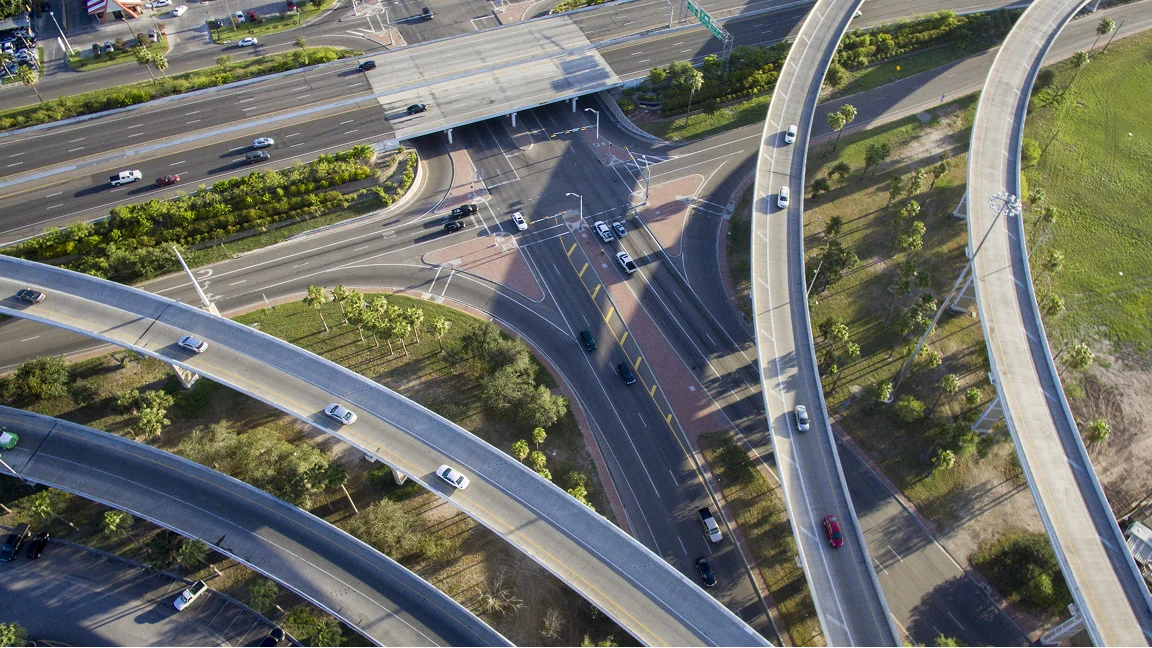
As one of the country’s largest states, Texas has a lot of roads and highways – and many of them are often under construction in order to expand and improve our state’s infrastructure. While many drivers get frustrated when they see the orange diamond shaped signs indicating road construction is ahead, we should all be grateful for driving improvements and take care when driving near those who are working hard to make them.

Between 2018 and 2019, fatal crashes in work zones increased 11 percent nationally while fatal crashes outside of work zones decreased two percent. According to the Texas Department of Transportation (TxDOT), our state has at least 3,400 active work zones; in 2020, more than 22,000 traffic crashes occurred in work zones, resulting in 186 deaths and 680 serious injuries. So, what can we do to help prevent construction work zone accidents?

Construction Work Zone Accidents Safety

Work zones change up a driver’s usual route, and if the driver isn’t prepared for a change in the number of lanes or a detour caused by road closures, accidents can happen pretty easily. In addition to mixing up a routine, construction work zones on the roadway can also include uneven pavement, potholes, narrow lanes, barrels, additional concrete barriers, and more hazards that can contribute to additional car accidents. If you see the signs of an upcoming construction zone, be sure to:

  • Drive slowly, following the posted reduced speed limit and being mindful of workers and equipment that may be on or very near the roads (this may also mean you need to give yourself extra time for your drive so you are not in a rush)
  • Pay even greater attention than usual and avoid distractions
  • Leave more room between your car and other vehicles because tailgating always makes rear-ending accidents more likely, but even more so in a work zone where abrupt stops can be common
  • Stay calm and be patient while being sure to buckle your seatbelt

Common Roadway Construction Accidents

Transportation events account for at least 76 percent of roadway work zone fatal occupational injuries and of those, 60 percent involved a worker being struck by a vehicle in the work zone. Vehicles backing up accounted for 89 percent of worker deaths. Larger vehicles, such as pickup trucks and SUVs accounted for the most deaths. The most common types of road construction collisions include rear-end crashes, sideswipes, and collisions with objects like barrels, barricades, and signs. The most common driver-related causes of work zone crashes are speeding and driver inattention; but, aggressive, reckless driving, impaired driving, and drowsy driving also cause and/or contribute to roadway work zone crashes. However, some additional common causes of construction zone accidents are attributable to the employers of our state’s construction workers, and include:

  • Failure to follow the legal guidelines for safe construction
  • Poor construction zone design
  • Failure to post adequate warning signs or inaccurate/not visible signage
  • Unlevel roads
  • Improper placement of barricades
  • Insufficient lighting at night or during inclement weather

According to the National Safety Council, the majority of work zone fatalities happen on roads with speed limits of 55 miles per hour or more. So construction companies need to be extra cautious when setting up work zones in high speed and high traffic areas like these.

What Damages are Available for Construction Zone Accident Victims?

In order for the victim of a motor vehicle accident to be entitled to compensation for the resulting injuries, another party must be found to have been negligent, or at fault, for the collision. Because negligence is a complex legal issue to begin with and becomes even more complex in a work zone accident, it is crucial that victims consult with an experienced personal injury attorney to determine who is responsible for their injuries so they can pursue a claim against the responsible party or parties.

After a construction zone crash, an injury victim and/or the survivors of a wrongfully killed individual may be entitled to financial compensation for various types of damages, including:

  • Property damage to your vehicle
  • Past, current, and future medical bills and related expenses
  • Lost wages and loss of future earning capacity
  • Pain and suffering and mental anguish
  • Disfigurement
  • Loss of consortium
  • Loss of enjoyment of life

Texas Construction Work Zone Accidents Lawyers

If you were injured in a work zone crash, you may be able to obtain financial compensation from the responsible party or parties. If a construction company or government entity was negligent, they can be held liable, as can other drivers if their actions caused the accident. Ezequiel Reyna, Jr. grew up in Weslaco, Texas and has practiced personal injury law locally for over 40 years. He has achieved award-winning results for his clients throughout his legal career and would be honored to help you and your loved ones. Contact the Ezequiel Reyna Law Office team today for a free consultation with our law firm.

Common Workplace Injuries for Factory Workers

Working in a factory can be a consistent and rewarding profession that supports the local community and state economy. These essential workers keep goods moving and shelves stocked. While factory workers perform a variety of different tasks in their work environments, they all face similar hazards that can put them at risk of injury. Employers are legally required to provide safe work environments, safety training, personal protective equipment, and more to keep their workers safe. When an employer has been negligent and fails to keep its workers safe, it maybe held liable for common factory worker injuries. Employers may try to downplay the injuries of their workers or not take their injuries seriously. Every worker has the right to fair compensation and needed medical treatment. If you are factory worker who has been injured on the job, have you experienced an injury type listed below?

Overexertion Injuries

When a factory worker overexerts themselves, either lifting something too heavy or working on their feet for long hours without taking any breaks, they can suffer from overexertion injuries. Many musculoskeletal disorders are caused by overexertion and can affect the muscles, ligaments, tendons, and nerves. Working in a factory can be incredibly physical and requires stamina to be able to complete physical tasks. Some work activities can cause back and neck injuries that can be incredibly severe. Another category of overexertion injuries stems from workers being dehydrated. If a factory worker is not allowed to take breaks and is working in a hot environment, they may not have the opportunity to drink water and stay hydrated. Dehydration can lead to heat exhaustion, fainting, and falling.  Mandatory breaks are essential for keeping workers from overexerting themselves in the workplace.

Slip and Fall Injuries

Factories often have wet, slippery surfaces and uneven steps. Workers may spill oil or lubricants on the floor that can cause others to lose traction, leading to slips and falls. Workers are at risk of a number of different injuries from slipping and falling. Broken bones, head injuries, spine injuries, sprains, strains, and other traumatic injuries can occur from a slip and fall. There are rarely soft surfaces to land on when falling in a factory, so workers must brace their fall against a hard wall or the hard ground. Employers must make sure their work environments are free from slip and fall hazards or they may be held liable for associated worker injuries.

Heavy Machinery-Related Injuries

Heavy machinery is often used in factories to perform work-related tasks and to transport items around the facility. Commonly used heavy transport machinery includes forklifts, trucks, tractors, cranes, and more. Just like in passenger vehicles, accidents can occur and workers can be seriously injured or killed. Forklifts and tractors are known to rollover and crush workers. Trucks driven on a worksite may have blind spots and could easily back into a worker or pin a worker against a wall. While using industrial and assembly machinery, workers unfortunately can get their limbs sucked into a machine if it has not been properly safeguarded. Because machines utilize automatic gears and conveyer belts, it may take time for a machine to be shut down in order to try and save a worker who has gotten caught. Injuries that are caused can include deep lacerations, crushed bones, severed limbs, and death. Proper training and safety signage is absolutely essential to keeping workers safe around heavy machinery.

Fires and Explosions

Many factories work with combustible materials that are necessary to create a product. If these materials catch fire from machine sparks, lightning strikes, or other fire sources, a major fire or even an explosion can occur that put all workers in serious danger. If a factory worker is caught in this type of serious accident, they can suffer serious burns, nerve damage, skin damage, and death. Lung damage can also occur if a worker inhales hot smoke or fumes resulting from the fire or explosion. Proper fire safety protocols must always be in place in a factory.

Exposure to Harmful Chemicals

Many factories use multiple harmful chemicals to create their products. While many companies do their due diligence and train their employees on how to use these chemicals, have their chemicals properly labeled, and safely dispose of the excess, some companies do not. When an employer does not properly handle and dispose of harmful chemicals, that puts factory workers at serious risk of injury. Any sort of chemical spill or release can cause serious burns, respiratory system damage, skin irritation, blindness, and even death. Safety equipment can only go so far to protect a worker from chemical exposure. Daily exposure to chemicals, even when using safety precautions, puts factory workers at risk of developing long-term illnesses including cancer and lung disease.

Repetitive Motion Injuries

Many factory workers perform repetitive tasks utilizing the same movements over and over again. Assembly line workers often find themselves sustaining repetitive motion injuries. Repetitive movements can wear down a factory worker’s soft tissue, resulting in chronic pain, carpal tunnel syndrome, back injuries, neck injuries, and other health concerns. It does not take strenuous effort to sustain a repetitive motion injury as the repetitive nature of the task slowly chips away at the soft tissue over time. The factory worker may also lose strength in the affected areas, which makes it more difficult to do their job.

South Texas Factory Worker Accident Lawyers

The risk of being injured or killed as a factory worker is incredibly high. If you are a factory worker who has been injured on the job, you may be searching for legal counsel to help. With the right legal team behind you, you may be able to obtain the financial compensation you need to cover your medical bills, lost wages, and pain and suffering from your workplace accident. We know that you are suffering but that you also do not want to be a financial burden to your family. Contact the Rio Grande Valley workplace accident attorneys of Ezequiel Reyna Law Office today to discuss your situation at no cost. There is limited time to act following a factory accident in Texas, so don’t delay.

Dangerous Realities of Being a Utility Worker

Utility workers perform jobs that are critical to keeping our society functioning. From keeping electricity running to every home, office, and commercial property to ensuring water flows safely through pipes throughout our cities, the daily labor of utility workers keeps the country from grinding to a halt. This line of work, while essential to our infrastructure, can be incredibly dangerous. There are many hazards that each worker faces on a daily basis that can cause serious injuries or even death. Utility companies must have safety policies and procedures in place to protect their workers and keep them safe from the inherent dangers of their line of work.

What are the hazards?

There are many common hazards associated with utility work that workers must be prepared for. Many utility workers have to perform their jobs in the pouring rain, the dark of night, underground, at great heights, or in the middle of the street. Utility workers often find themselves working in unstable environments outside of their control as the weather can quickly change and cause a hazardous situation. Failure to identify hazards while working can quickly lead to devastating consequences.

Some of the common hazards utility workers face include:

  • Electrical shocks – One of the greatest hazards for utility workers is electric shock. This is especially true for those working for a power company. Working with dangerous power lines takes skill and incredible attention to detail, as even the slightest distraction can result in a painful injury or even death.
  • Slips, trips, and falls – All jobs in America have the risk of injury due to a slips, trips, and falls. The unstable conditions utility workers often find themselves in make these sorts of accidents occur frequently. Injuries can range from minor sprains, strains, and fractures to broken bones, traumatic brain injuries, and spinal cord injuries.
  • Working from heights – Utility workers often use tall ladders, large cranes, and even climbing gear to reach poles and power lines. Working from a great height is always a high-risk endeavor. Falling off a ladder, crane, or power pole can cause serious injuries and could kill or disable a worker permanently.
  • Collapses and falling items – A lot of utility work is done underground, especially when working on pipelines or streets. If a part of the street is unstable and collapses, the utility worker could be crushed or trapped underground. They may also work below other utility workers and could be struck by falling debris or tools.
  • Burns and explosions – Utility workers often work with hazardous chemicals and building materials, electrical lines and equipment, and gas pipes. In each of these situations, if an item or chemical catches on fire, is splashed on a worker’s skin, or explodes, workers can be seriously injured and permanently scarred.

These are not the only hazards that utility workers face as many different utilities are in a variety of environments. Recognizing the dangers associated with daily tasks is essential to avoiding serious injuries.

How Can Utility Workers Stay Safe?

Safety procedures and policies are critical to keeping utility workers safe in their work environment. All utility companies must provide proper safety training for their workers, provide well-maintained personal protective equipment (PPE), and follow all signage requirements for hazards in the workplace. There are also specific OSHA standards in play when it comes to utility work.

The relevant OSHA standards that must be met in the utilities industry include:

Utility companies cannot cut corners when it comes to safety. OSHA requires employers to make sure their employees have undergone on-the-job training and can demonstrate the ability to perform duties safely at their level of training. If a specific job requires a ladder, the worker must be trained on ladder safety.  If working with hazardous chemicals, fumes, dust particles, electricity, or anything that can harm a worker through inhalation or touch, the worker must know what PPE to wear to stay safe. When the above OSHA standards are followed and all employees are able to perform their jobs safely, workplace accidents can be avoided.

South Texas Utility Worker Accident Lawyers

The risk of being injured or killed as a utility worker is very high. If you are a utility worker who has been injured on-the-job, you may be searching for legal counsel to help. With the right legal team behind you, you may be able to obtain the financial compensation you need to cover your medical bills, lost wages, and pain and suffering from your workplace accident. You may also be entitled to punitive damages if the court believes your accident is the result of your employer’s gross negligence. We know that you are hurting and do not want to be a financial burden to your family. If you or a loved one has been injured while working for a utility company, contact the Rio Grande Valley workplace accident attorneys of Ezequiel Reyna Law Office today to discuss your case at no cost. There is limited time to act following a utility work accident in Texas, so don’t delay.

Preventing Deadly Scaffolding Accidents

While construction sites may be an inherently dangerous place to work, every worker has the right to work in a safe environment. Nearly one fifth of all work-related deaths in the United States in 2019 occurred in the construction industry. Many of these deaths involved a commonly used construction site structure – scaffolding. Scaffolding, an incredibly important and useful tool in construction projects, can be very safe when erected properly, closely inspected, and used with care. This, however, is not always the case, as deaths caused by falling from scaffolding or scaffolding accidents are very common.

Serious scaffolding accidents that cause devastating injuries could be avoided if all construction companies followed the regulations set forth by the Occupational Safety and Health Administration (OSHA). The following tips can also help prevent deadly scaffolding accidents:

Adhere to All OSHA Guidelines

OSHA has detailed regulations that govern scaffolding construction and use. All workers and management must adhere to these guidelines, including how to set up the scaffolding properly, what loads are able to be on the scaffolding, and what worker safety rules must be followed. This is one of the best ways to prevent a serious scaffolding accident from occurring. If workers are unfamiliar with OSHA guidelines, training must be prioritized before building and using the scaffolding.

Inspect the Scaffolding Daily Before Use

Visual inspections of scaffolding structures must be performed on a daily basis, specifically before and after each work shift, to ensure the structure is sound. This regular monitoring can quickly find any imperfections or structural issues that could cause the scaffolding to collapse or cause a serious accident. When inspecting scaffolding, workers should look for defective parts and broken planks that should be discarded and replaced before work starts for the day. Fall protection should also be inspected before use each day. Worn out fall protection should be immediately replaced. If an accident has occurred during the project, before work continues the scaffolding should have a more in-depth inspection to ensure structural integrity.

Build on Stable Ground

Scaffolds should only be built on solid, level ground to ensure its stability. Scaffolding should also be plumbed, with poles, legs, and uprights secured safely to keep the scaffolding from moving. Items that are unstable – including bricks, concrete blocks, and barrels – should not be used for stabilization. When building scaffolding, bent or damaged parts should not be used. All parts used should be in good condition. Extra bracing should be added if necessary.

Know the Capacity

Scaffolding has a limited capacity for loads that all workers should be aware of. Never exceed the amount of weight scaffolds are built to hold. This includes the number of workers who can be on the scaffolding at the same time. It is critical to observe weight limits to avoid a scaffolding collapse.

Use the Required Safety Equipment

Scaffolding requirements include guardrails to ensure worker safety and help prevent workers from falling. Toeboards should also be used when performing work while on a scaffold. Safety harnesses are also essential when using scaffolding. Workers should also wear non-slip footwear, head protection, and any other required personal protective equipment (PPE).

Be Aware of Hazards

Hazards may be on the scaffolding itself or part of the work environment. Do not use the scaffolding structure in heavy wind, rain, or lightning storms. Any unsafe areas should be roped off. If there are tools or other equipment along the scaffold pathways, clear those areas to prevent trips and falls. Space is limited, and keeping items organized and out of the way can prevent serious accidents from occurring. Do not allow anything to fall from the scaffolding. Items falling or being thrown from the structure can hit workers (or pedestrians) below and cause serious injuries. Always use a spotter and a debris chute or hoist when sending items below. If work is being performed at the floor or on a level above you, use overhead canopies to help prevent any falling debris from hitting a worker.

One very dangerous hazard that all workers should be aware of is power lines. Power lines should be at least 10 feet away from a scaffolding structure at all times. If work is required closer to the power line, power should be turned off before that work begins. Electrocution is an extremely painful and devastating experience that no worker should go through.

Proper Training is Essential

Workers constructing or using scaffolds should be properly trained before beginning their work. Each worker must be aware of the specific scaffold design, how to use the scaffold properly, what an inspection of the structure involves, and how to dismantle the structure properly. This is key to preventing accidents. Each worker should also know how to climb and descend the scaffolding in a safe manner, as well as how to use fall protection equipment and PPE.

South Texas Construction Accident Attorneys

Being prepared and following all safety guidelines will help prevent deadly scaffolding accidents and save workers’ lives. If you or a loved one has suffered injuries while on a worksite due to a scaffolding accident, you may be able to file a claim for compensation due to negligence. This is a complicated process and our experienced team of personal injury attorneys can help you navigate your legal options.

If you or a loved one has been injured while working in the construction industry due to a scaffolding accident, contact the Rio Grande Valley workplace accident attorneys of Ezequiel Reyna Law Office today to discuss your case at no cost. There is limited time to act following a scaffolding accident in Texas, so don’t delay.

Common Causes of Crane Accidents

The thriving construction industry in Texas relies on large equipment to speed up the building process and get projects completed on time. Cranes are one of the most commonly used construction tools, with about 125,000 cranes operating in the United States at any given time. While essential to building large structures, cranes are incredibly large, complex machines that pose serious risks to workers. Crane accidents can cause devastating injuries and have proven to be fatal. According to the U.S. Bureau of Labor Statistics, from 2011 to 2017 there were 297 reported crane-related deaths. During that same time period, Texas had more fatal occupational injuries due to cranes than the next three states combined. Why do crane accidents occur?

The most common causes of crane accidents include:

Load too Heavy

Cranes have set weight limits that have to be followed to prevent collapse. The counterweight and out-rigging systems used to balance a crane are critical to keeping it stable. If a crane lifts too much weight, it will throw these systems off balance and the entire structure could buckle and collapse. A crane collapse can be extremely dangerous for the crane operator as well as any workers nearby. That much weight could easily crush an individual and cause severe injuries or death.

Improper Crane Assembly

When putting a crane together, there are very specific safety protocols that must be implemented. If a crane is assembled too quickly or does not have the proper wood or metal blocking supports to keep the load stable, the crane itself could move under the weight of the load and collapse.

Lack of Training

Crane operators are required to be properly trained, including completing specific OSHA training courses to operate a crane on a construction site. If a worker operates a crane but is not properly trained, the likelihood of a crane accident increases significantly. Cranes are complicated machines and must be used by someone familiar with how they function. Employers must also train all workers in the dangers a crane poses to a worksite.

Dropped Loads

Over half of all fatal crane accidents involved a worker being hit by a falling object put into motion by a crane. Cranes are able to carry heavy, oddly shaped, oversized items when operated properly. If a load is not rigged appropriately, it can quickly fall and cause a catastrophic accident. Falling objects can crush or impale workers below and even make a crane tip over, causing even more devastation.

Mechanical Failure

Proper maintenance of all machinery on a construction site is critical to preventing mechanical failures that can quickly lead to devastating accidents. Cranes should be well maintained at all times – including being oiled properly – and any small problems that arise should be fixed promptly.

Contact with Power Lines

Not all cities have underground power lines; and, crane operators must be aware of power lines around their worksite at all times. Electrocution from overhead power lines causes one in every 10 construction site deaths.  If a crane operator hits a live power line, they are in danger of being killed by electric shock.

As with all construction machinery, unsafe practices and recklessness can result in worker injury and death. Employers must ensure machinery is well maintained, inspected daily, and that all who use cranes are properly trained.

South Texas Crane Accident Attorneys

Working with cranes is one of the most dangerous parts of a construction worker’s job. The risk of being injured or killed in a crane accident is high. Long-term injuries can leave you unable to work and leave your family financially burdened. If you or a loved one has been injured while working in the construction industry, contact the Rio Grande Valley workplace accident attorneys of Ezequiel Reyna Law Office today to discuss your case at no cost. There is limited time to act following a crane accident in Texas, so don’t delay.