Oilfield and Maritime Accidents - Ezequiel Reyna Law Office

100% FREE CONSULTATION 1-800-935-3739

How Dangerous Are Oil Field Worker Accidents?

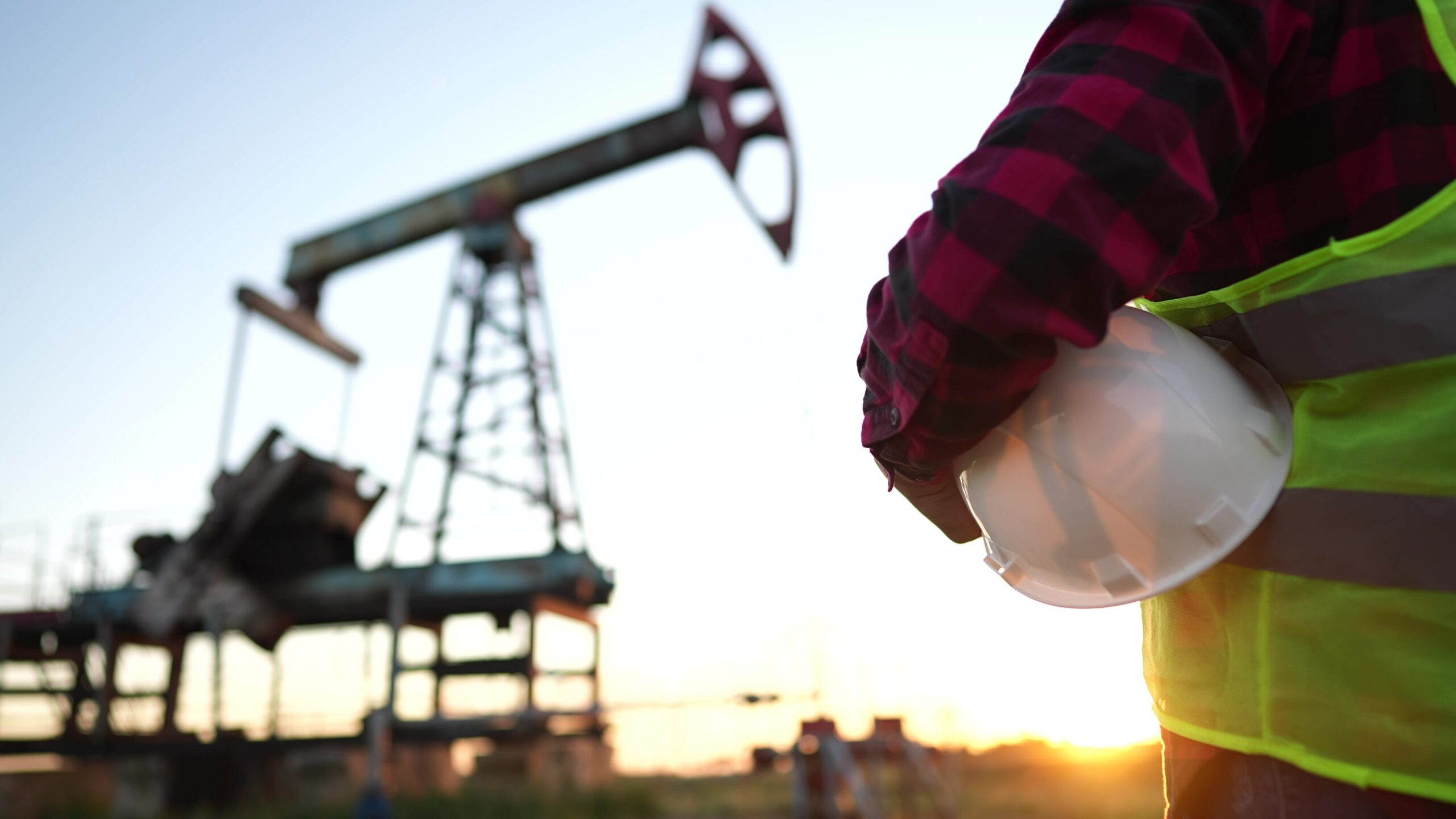
While many occupations come with workplace hazards, working in the oil and gas industry can be deadly. Oil and gas workers, especially those working in oil fields, are subject to some of the highest rates of severe injury and death as reported by the Occupational Safety and Health Administration (OSHA). Recent reports compiled by the Center for Public Integrity, The Texas Tribune, The Associated Press, and Newsy profiled how catastrophic oil field injuries can be. The report found the death rate was almost five times that of all other industries in the United States combined. Many people wonder why oil field accidents are so dangerous for workers. Data from the US Department of Labor’s Bureau of Labor Statistics showed that between 2008 and 2017 OSHA issued over 10,000 citations to oil and gas companies, deeming the majority of oil field work environments hazardous to workers and likely to cause death or serious physical injury.

What are the dangers?

Multiple factors contribute to the hazardous working environment surrounding oil and gas extraction. Many of these dangers stem from tension to meet production quotas that tempt oil and gas companies to cut corners. When work is performed under pressure and often in extreme weather conditions, the risks increase exponentially. While OSHA continues to increase its efforts to enforce safety protocols, it can be complicated as many companies in the “upstream” industry sector (including oil and gas refineries, chemical plants, and other high-risk operators) are not necessarily required to comply with all OSHA safety standards. Oil field industry fatalities are often some of the most gruesome because the equipment workers are operating and the chemicals used in the extraction process can be incredibly dangerous. The list of accidents that can occur in the oil field industry is extensive and daunting. Equipment failure, explosions, and unsafe conditions constantly put oil field workers at risk.

The following are some of the most common types of dangerous oil field accidents:

Equipment Failure Accidents

Many oil field drilling sites have extremely large and dangerous equipment that workers must operate to extract the oil. This equipment is required for pulling large pipe, drilling, mixing mud, and many more tasks involved in oil extraction. Because this machinery is so large and heavy, any malfunction or failure can be fatal. This machinery must be well-maintained and inspected before use for workers to be able to do their jobs in a safe manner. Oil field companies must also take the time to properly train their workers on how to use this machinery. Accidents occur when machinery is not properly used, has not been maintained, or malfunctions. Injuries that can occur from equipment failures include dismemberment, being crushed, getting stuck in a machine, broken bones, burns, and even wrongful death.

Fires and Explosions

When working in an oil field, the process used to extract oil and gas can release different types of flammable gases into the air. These can quickly ignite due to the presence of open flames, static electricity, and high-heat machinery, among other triggers. Explosions and fires are especially dangerous because there is so much fuel in the environment with which to create a devastating blaze. With that much fuel in the air, flames can spread quickly and explosions can gain high amounts of energy, making it easy to seriously injure those in the area. Injuries sustained from explosions and fires in an oil field include first-, second-, and third-degree burns, disfigurement, impact injuries, broken bones, loss of limbs, impalement from flying debris, and untimely death.

Hazardous Chemical Releases

Oil field hazards include much more than just explosions or poorly maintained equipment. Many toxic substances are regularly used on worksites during the extraction process. Even though personal protective equipment should be used, some dangerous substances can be accidentally released and put all workers in danger. Some of the toxic chemicals used in the oil field industry include Sulfur Dioxide, Benzene, Nitrogen Oxide, Hydrofluoric Acid, Polycyclic Hydrocarbons, and Petroleum Coke. Many have been shown to cause cancer as well as harm the human immune response. Others have been proven to cause heart disease, severe respiratory damage, or poisoning.

Oil Well Blowouts

During the drilling process, a well blowout can occur that can quickly ignite and injure or kill workers in the surrounding area. A well blowout happens when there is an uncontrolled release of oil while drilling. Usually, a blowout occurs as the result of failing machinery, specifically the malfunction of the pressure control system inside the well. If the oil from a blowout is ignited, the entire oil field is put in danger of explosion.

Hazardous Oil Field Worksite Conditions

A poorly maintained oil field can create a hazardous work environment that can lead to many different types of injuries. Workers may slip, trip, and fall as a result of poor lighting, slippery surfaces, or equipment laying around that has not been put away properly. The ground may also be uneven, as drilling can change the landscape. Workers may also be exposed to open heating elements, machinery that sparks, or other poorly maintained equipment that can cause a serious accident.

What can oil field workers and their families do if they are injured or killed?

Most oil field workers are considered contractors, not employees. They have the right to file a lawsuit against the company that hired them if that company failed to follow standard industry safety protocols or failed to take appropriate steps to prevent workers from being injured or killed. While it may be daunting to think about filing a lawsuit against a big oil and gas company, these companies must be held accountable for the workplace injuries that result from their negligence.

Explosions and fires have drastic consequences, not only for those directly affected but for their friends and family who help pick up the pieces. Medical expenses can quickly pile up, and if you are the sole earner in your household, these additional expenses can be a burden when you already have a number of other financial obligations.

When you call the Ezequiel Reyna, Jr. Law Office for a free consultation, there is no obligation. We want the best for you and your family.

Common Threats to Oil and Gas Worker Safety

Working in the oil and gas industry is no easy feat, especially for oilfield and rig workers. In addition to the work being physically demanding, the environment surrounding oilfield work is full of potential hazards that could inflict serious, life altering injuries and death to workers. Oil and gas workers trust their lives to the safety measures implemented by their employers. When safety regulations are blatantly ignored and heavy machinery and other workplace materials go without proper service and inspection, the odds of an oil and gas worker suffering a catastrophic accident greatly increase. Being able to identify potential hazards and understand the common causes of oilfield accidents, workers can better mind their surroundings and to call out unsafe jobsite practices.

Sadly, many issues of oil and gas worker safety are either overlooked or simply not taken seriously enough considering the nature of the industry. Like construction, energy industry work comes with a notorious reputation for occupational injury and accidents. While fatal workplace accident statistics clearly paint a picture of occupational dangers, there’s still no excuse for the lack of responsibility oil and gas companies take for = worker safety. According to the Occupational Safety and Health Administration (OSHA), in just four short years – from 2013 to 2017 – a reported 489 oil and gas extraction workers were killed on the job.

Common Threats to Oil and Gas Worker Safety

Ongoing oil and gas worker injuries and deaths signify much needed and critical room for safety improvements. Oil and gas companies can directly affect workers’ safety and improve conditions by following both state law and federal OSHA guidelines. The following are some of the most common threats to oil and gas worker safety:

Vehicle Collisions. Oil and gas extraction and refining requires the use of vehicles to transport cargo, materials, and workers across Texas and beyond. Not only are vehicles heavily relied on for day-to-day operations, but workers must also often be transported between jobsites and travel accommodations. Because of their frequent use, work vehicles require routine maintenance and inspection, especially when hauling cargo loads. Vehicles with mechanical issues present dangers unknown to drivers until it is too late, causing roadway accidents. Additionally, frequent use of work vehicles should prompt oil and gas companies to rigorously train drivers in safety courses, as well as enforce rules requiring fatigued drivers resting and prohibit the operation of vehicle while intoxicated.

Faulty Equipment and Machinery. Just as heavily utilized motor vehicles require routine maintenance and inspection, so do equipment and heavy machinery. When equipment and machinery malfunctions, the consequences can be catastrophic. Workers rely on equipment and machines properly functioning so they can do their jobs safely. Additionally, machines should be outfitted with proper safeguards that provide a barrier between moving parts and workers.

Fires and Explosions. Due to the sensitive materials and hazardous chemicals frequently used in the various phases of oil and gas extraction and refinement, fires and explosions pose a great danger not only to oilfields, oil rigs, and refineries, but also to the surrounding areas. Chemicals and sensitive materials must be properly stored so they do not interact with each other or with other substances that could cause a powerful reaction.

Lack of Training. While mistakes and human error do happen, employees are not responsible for adequately training themselves for complicated energy industry work. Oil and gas companies should provide employees with quality training specific to not only in the scope of their jobs but also in safety. Training should be provided in a language that all employees understand; and, proper safety and warning signage must be placed throughout the workplace.

Rio Grande Valley Oilfield Injury Attorneys

Oil and gas worksite threats are responsible for hundreds of senseless and preventable worker deaths annually. Just because a person’s occupation is potentially dangerous does not mean they should suffer injury. If you or a loved one has been injured while working in the oil and gas industry, contact the Rio Grande Valley workplace accident attorneys of Ezequiel Reyna Law Office today to discuss your case at no cost. There is limited time to act following a work accident in Texas, so don’t delay.