Reyna Law Firm Ezequiel Reyna Law Office

100% FREE CONSULTATION 1-800-935-3739

How Fault Is Determined in Auto Accidents in Texas

For many people in the Rio Grande Valley, a car accident is not just a temporary disruption. It can derail a family’s finances, health, and sense of security almost overnight. One of the first issues that determines how quickly someone can recover, financially and emotionally, is fault. In Texas, fault drives everything in a car accident claim, from whether compensation is available to how much an injured person can ultimately recover.

At a personal injury law firm that serves the RGV, we see firsthand how often fault becomes the battleground. What may seem obvious at the crash scene can look very different once insurance companies begin dissecting the details.

Texas Auto Accidents and Legal Responsibility

Texas is a fault-based state, which means the driver who caused the accident is responsible for the damages that result. This includes medical expenses, lost income, property damage, and non-economic losses like pain and suffering. Unlike no-fault states, injured victims in Texas are not limited to their own insurance coverage. They have the right to pursue a claim against the at-fault driver.

That legal right, however, does not guarantee a smooth process. Insurance companies do not simply accept responsibility and issue payment. They conduct their own investigations and often challenge fault, even in cases involving clear traffic violations.

How Fault Is Actually Evaluated

Fault is determined by analyzing how the crash occurred and whether a driver failed to act reasonably under the circumstances. Police reports often play a role, but they are just one piece of the puzzle. Officers document what they observe at the scene, collect statements, and may issue citations. While helpful, these reports are not binding and do not automatically determine liability.

Insurance adjusters and attorneys look deeper. They review photographs of vehicle damage, the location of debris, road conditions, traffic signal timing, witness accounts, and sometimes video footage from nearby businesses or dash cameras. In more serious cases, accident reconstruction experts may be used to analyze speed, impact angles, and braking patterns.

Negligence Under Texas Law

Most auto accident cases come down to negligence. A driver is negligent when they fail to operate their vehicle with reasonable care. In the Rio Grande Valley, common examples include speeding on congested roadways, distracted driving, impaired driving, failing to yield at intersections, or following too closely in heavy traffic.

Negligence does not require intentional wrongdoing. Ordinary mistakes can still carry legal consequences if they lead to a collision. The law focuses on whether the driver’s actions created an unreasonable risk to others on the road.

Comparative Fault and Why It Matters

Texas follows a modified comparative fault system. This allows fault to be divided between multiple parties. If an injured person is partially responsible for a crash, their compensation is reduced by their percentage of fault. If that percentage exceeds 50 percent, they are barred from recovering compensation altogether.

This rule is frequently used by insurance companies to limit payouts. Even when another driver clearly caused the accident, insurers may argue that the injured person contributed in some way. These arguments often focus on reaction time, lane positioning, or alleged failure to avoid the collision.

For this reason, fault determinations are rarely neutral. They are strategic, and they can dramatically affect the outcome of a personal injury claim.

Insurance Companies and Fault Disputes

Insurance adjusters are trained to look for statements or details that can shift responsibility. Recorded statements are carefully reviewed. Casual remarks made under stress are sometimes taken out of context. Even polite apologies at the scene can later be portrayed as admissions of fault.

This is why early legal guidance matters. Once fault percentages are assigned and accepted, they can be difficult to undo. A personal injury law firm that gets results understands how to protect clients from unfair blame and unsupported assumptions.

Why Legal Experience Makes a Difference

Determining fault is not simply a matter of telling your story. It requires evidence, legal analysis, and an understanding of how Texas courts and insurance companies evaluate negligence. A firm with experience handling auto accident cases in the Rio Grande Valley knows the local roads, common accident patterns, and tactics insurers use to dispute claims.

At the Ezequiel Reyna Law Office, our approach is straightforward. We investigate thoroughly, challenge inaccurate fault determinations, and advocate aggressively for injured clients. Our focus is on results, not shortcuts.

Final Thoughts

Fault is the foundation of every Texas auto accident claim. When it is determined incorrectly, injured victims pay the price. Taking the right steps early and working with a personal injury law firm that understands fault, evidence, and insurance strategy can make a significant difference in the outcome of your case.

If you or a loved one has been injured in a car accident caused by dangerous road conditions, a commercial vehicle, or an impaired driver, you don’t have to face the situation alone. The Ezequiel Reyna Law Office has decades of experience helping individuals and families across Texas navigate serious injury claims. Our team is available 24/7 to answer your questions and help you understand your options. For a free consultation, contact the Ezequiel Reyna Law Office today — because when it matters most, you deserve experienced legal guidance you can trust. Call 956-968-9556 for more information.
The Big Game and How to Celebrate Safely

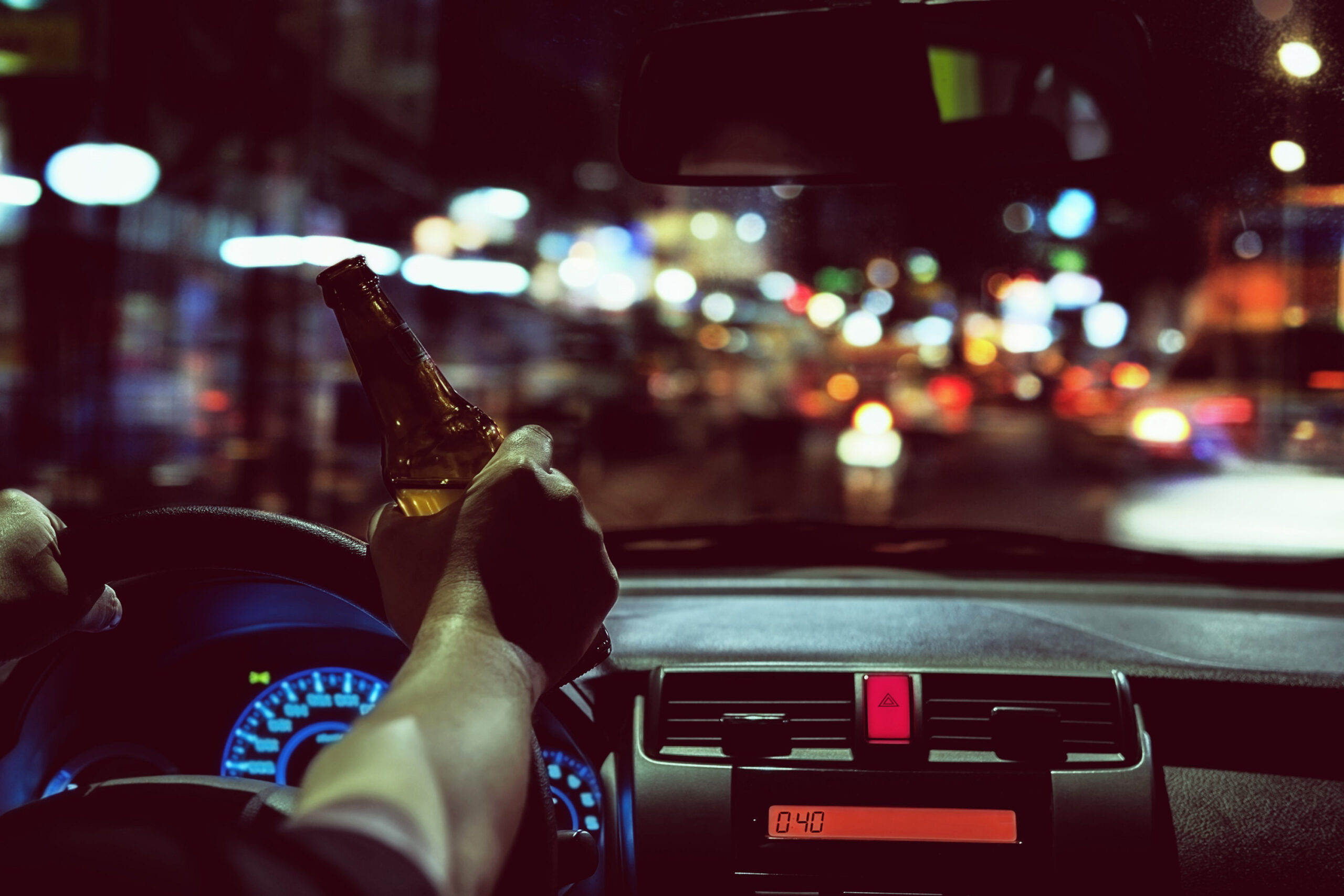
For many households, The Big Game is more than a sporting event, it’s a tradition where friends and family gather with food, drinks and shared excitement. As enjoyable as the celebration may be, during major sporting events like the Big Game there is an increase of alcohol consumption, which can lead to impaired driving.

Why The Big Game Leads to More DUI Accidents

The connection between major sporting events and increased rates of drunk driving is well documented. Group gatherings for these events are often paired with alcohol. As a result, law enforcement agencies frequently report a surge in DUI arrests and alcohol-related crashes on game day.

It’s important to consider your alcohol intake, even small amounts of alcohol can impair judgment, lower inhibitions, and make people feel more confident behind the wheel than they should be. Add in late-night driving, fatigue, and crowded roads, and the risk multiplies. Many people don’t plan and instead make a last-minute decision to drive home, which is when dangerous mistakes happen.

How Alcohol Impacts Reaction Time and Decision Making

People often assume they’re “fine to drive,” even after several drinks. But impairment begins earlier than most realize.

Reaction time: Your ability to respond quickly to sudden hazards like a car braking suddenly in front of you can be significantly delayed.
Coordination: Steering, braking smoothly, and staying in your lane become harder.
Decision-making: The part of the brain responsible for weighing risks becomes compromised, making drunk drivers more likely to speed, tailgate, or ignore traffic signs.
Vision: Alcohol can blur vision, reduce depth perception, and limit peripheral awareness.

These effects don’t require heavy drinking. Even “buzzed driving” can cause a driver to make a critical mistake.

The Best Way Thing To Drink Responsibly is Plan Ahead

By putting simple plans in place, you are making responsible decisions.

1. Don’t get in a vehicle

If you’re planning to drink, make your plans for the night include not getting into a car at all.

2. Designate a sober driver

If you have to get in a car, choose a trusted and reliable friend, family member, or even volunteer yourself to stay alcoholfree for the night. Having a designated driver is one of the simplest and most effective ways to prevent impaired driving.

3. Use rideshare services

If you know you’ll be drinking, plan to order a ride from a rideshare service.

4. Stay overnight

If you’re watching the game at a friend’s house or family member’s house, consider making sleeping arrangements in advance.

The Legal and Life-Altering Consequences of Impaired Driving

Aside from the immediate danger of causing a crash, impaired driving carries serious legal and financial consequences. These may include:

Arrest and criminal charges
Thousands of dollars in fines
Loss of your driver’s license
Increased insurance rates
Mandatory classes or ignition interlock devices
A permanent mark on your driving and criminal record

But even more devastating are the long-term personal consequences. A momentary lapse in decision making can lead to life-altering injuries or the loss of someone’s life.


Make This Big Game One to Remember — for the Right Reasons

The Big Game is meant to be enjoyed and with the right planning, you can celebrate fully while keeping yourself and your community safe. Be mindful, look out for your friends, and take steps ahead of time to avoid impaired driving.

——-

If you or a loved one has been injured in a car accident caused by dangerous road conditions, a commercial vehicle, or an impaired driver, you don’t have to face the situation alone. The Ezequiel Reyna Law Office has decades of experience helping individuals and families across Texas navigate serious injury claims. Our team is available 24/7 to answer your questions and help you understand your options. For a free consultation, contact the Ezequiel Reyna Law Office today — because when it matters most, you deserve experienced legal guidance you can trust. Call 956-968-9556 for more information.
 

Why 18-Wheelers Can’t Stop Like Cars — And What South Texas Drivers Should Know

If you’ve spent any time on I37, Highway 281, or I35, you know South Texas roads are full of big rigs. These trucks keep our region moving, but they also bring real dangers when things go wrong. Most everyday drivers don’t realize how differently an 18-wheeler handles compared to a regular car. Understanding those differences can help prevent serious, even life changing crashes.

Let’s break down what every driver should know

1. Stopping Distance: Why Trucks Need More Space

A typical passenger vehicle weighs around 3,000–4,000 pounds. An 18-wheeler may weigh up to 20–30 times more. With more weight comes significantly more momentum, which means a longer stopping distance.

An 18-wheeler can weigh up to 80,000 pounds.
Your car? Around 3,000–4,000 pounds.

More weight means more momentum — and much more distance needed to stop.

At 65 mph:
Car: ~300 feet to stop
Semitruck: ~600 feet or more

The increase of a 18-wheeler’s stopping distance is influenced by heavy or shifting cargo, Worn brakes or tires, downhill grades. Cutting in front of a truck or braking suddenly can leave the truck driver with no physical ability to avoid a collision.

2. Blind Spots (“NoZones”) Around Large Trucks

Tractortrailers have large blind spots where smaller vehicles disappear from the driver’s view.

Major nozones include:
Directly in front of the truck’s cab
Directly behind the trailer
Along the right side (the largest blind spot)
Along the left rear area of the trailer

If you’re in one of these zones, the truck driver may not know you’re there. Staying visible is essential for avoiding unsafe lane changes or sideswipe collisions.

A good tip to have in mind is…
If you can’t see the driver’s mirrors, they can’t see you.

3. Why Cutting in Front of a Truck is Dangerous

While passenger cars speed up quickly and maneuver easily. Commercial trucks do not. For what seems like a harmless move can be very dangerous. When a car cuts off a truck, the driver maybe unable to:
Stop quickly enough
Swerve without risking a rollover or jackknife
Adjust for cargo shifting inside the trailer

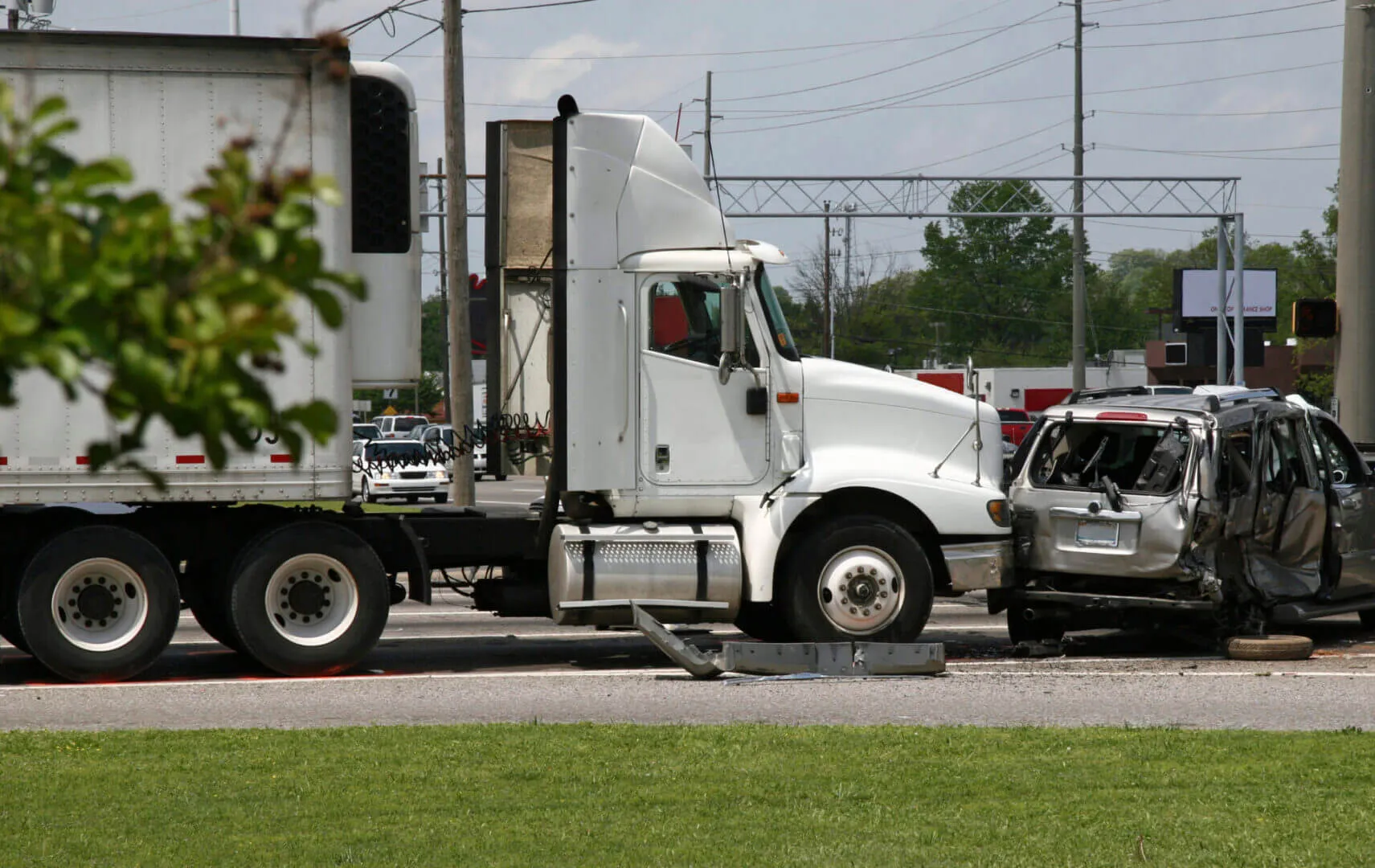
Rearend collisions with trucks are often severe, and many involve catastrophic injuries because of the truck’s size and weight.

4. Weather, Traffic, and Road Conditions Make Trucking Risks Worse

Certain conditions increase the risk of truckrelated crashes, especially when visibility, traction, or traffic flow changes.

Rain
Reduces traction
Increases stopping distance
Raises hydroplaning risk

Fog
Limits visibility for all drivers
Makes judging distance and speed difficult

Traffic Jams

Sudden braking or stopandgo traffic leaves little room for trucks to react. A fully loaded tractor trailer cannot stop abruptly without risking major instability. Whenever conditions shift, give trucks even more space than usual.


5. What to Do If You’re Involved in a Commercial Truck Accident

Truck crashes are more complex than typical car accidents. They often involve multiple parties, federal regulations, and large insurance carriers.

If you’re in a crash with an 18-wheeler:
1. Call 911 immediately.
2. Document the scene with photos and videos.
3. Seek medical evaluation, even if injuries feel minor.
4. Avoid giving statements to trucking company representatives or insurers.
5. Contact an attorney who handles commercial vehicle accidents.

Commercial vehicle accidents often involve:
Catastrophic injuries
Wrongful death claims
Electronic logging device data
Corporate insurers and investigators

An experienced attorney can help preserve critical evidence and protect your rights from the start.

crashes often lead to catastrophic injuries or wrongful death, and early action is key to protecting your rights.

—-

Final Thoughts

Sharing the road with 18-wheelers is part of life in South Texas. These drivers work hard, but the sheer size of their vehicles mean things can go wrong very quickly.

If you or a loved one has been injured in a car accident caused by dangerous road conditions, a commercial vehicle, or an impaired driver, you don’t have to face the situation alone. The Ezequiel Reyna Law Office has decades of experience helping individuals and families across Texas navigate serious injury claims. Our team is available 24/7 to answer your questions and help you understand your options. For a free consultation, contact the Ezequiel Reyna Law Office today — because when it matters most, you deserve experienced legal guidance you can trust. Call us at (956) 968-9556

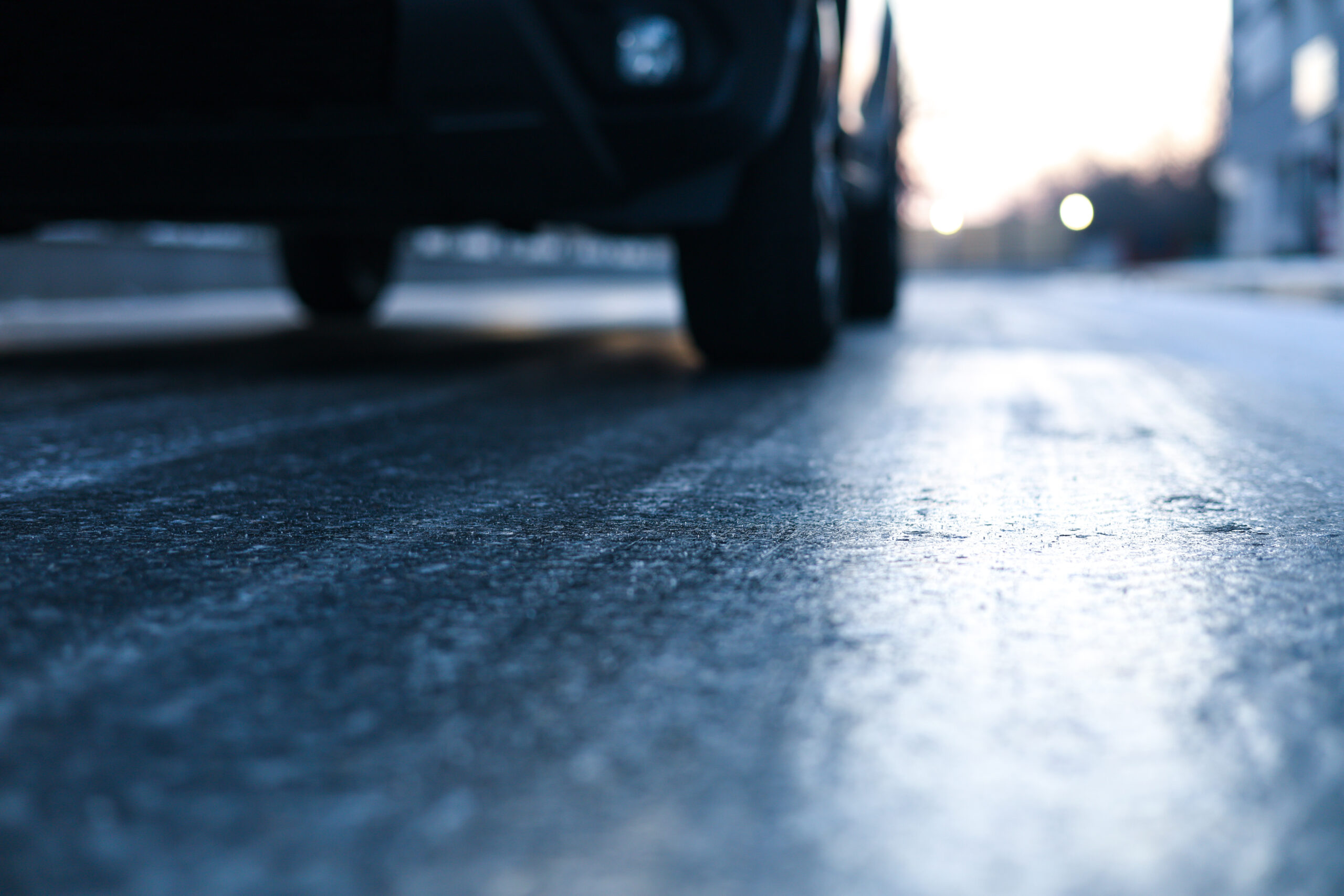
Driving Safely in Cold or Icy Conditions: What Texas Drivers Need to Know.
Guidance from an Experienced Texas Personal Injury Law Firm

Here in South Texas, most of us are used to heat, humidity— not frozen roads. When winter weather sweeps across Texas, it often brings more cold air it brings unexpected hazards on the road. Many Texans rarely drive on icy pavement, so even a brief freeze can create dangerous conditions. Understanding how cold weather affects the roads can help keep you and your loved ones safe.

Why Icy Roads Are So Dangerous — Even in South Texas

Freezing temperatures are less common in South Texas, but when they do occur, the risk of accidents increases dramatically. Inexperienced drivers which do not have experience navigating icy pavement can make even a thin sheet of ice hazardous. Black ice is a nearly invisible layer of ice; it is highly dangerous because it offers almost no traction and gives drivers little time to react.

Ice reduces your tires’ grip on the road, making steering, braking, and accelerating more difficult. Even minor mistakes, like turning too quickly or tapping the brakes too hard, can cause a skid.

Where Ice Forms First: Bridges, Overpasses & Shaded Roads

Not all roads freeze at the same rate as others. Depending on the surface these areas become more hazardous thanothers.

Bridges and Overpasses

These structures freeze before other roads because cold air surrounds them from above and below. Without ground warmth beneath them, bridges lose heat faster and ice over quicker.

Rural or LowTraffic Roads

Roads with less traffic may stay icy longer because fewer vehicles pass over them to generate warmth and friction. Recognizing these highrisk areas can help you anticipate danger and steer clear of any accidents.

Safe Driving Tips for Cold or Icy Conditions

Even small adjustments can significantly improve your safety in winter weather. Here are essential tips for navigating icy Texas roads:

1. Slow Down – Posted speed limits are designed for ideal conditions. When roads are icy, slowing your speed gives your tires more time to grip the pavement and helps you avoid sudden loss of control.

2. Increase Following Distance – On dry roads, a threesecond following distance is recommended. On icy roads, increase this to eight to ten seconds to allow for longer stopping distances.

3. Avoid Sudden Movements – Quick braking, accelerating, or turning can cause your vehicle to slide. Drive slowly with steady movements to maintain as much traction as possible.

4. Brake and Accelerate Gently – Even with antilock braking systems (ABS), sudden braking on ice can cause your tires to lock up. Ease into braking and acceleration to prevent skids.

5. Keep Headlights On – Visibility drops during winter weather. Using your headlights makes it easier for other drivers to see you through fog, sleet, or freezing drizzle.


What To Do If You Begin to Skid

Skidding can be alarming, but the right response can help you regain control:
Remove your foot from the gas pedal
Steer gently in the direction you want to go
Avoid jerking the wheel or slamming the brakes
Allow the vehicle to regain traction before accelerating again.

Practicing these steps mentally can help you respond calmly if a skid occurs.

When to Stay Off the Road

Sometimes the safest decision is not to drive at all. Consider postponing travel if:
Temperatures are predicted to stay below freezing
Local officials issue severe weather or road warnings
Bridges or major highways are closed or being treated
You feel uncomfortable driving in icy conditions

No destination is worth risking your safety. Waiting for conditions to improve could prevent a serious collision.

If You’re Injured in a Winter Weather Accident

Even cautious drivers can end up in crashes caused by others who fail to slow down or adjust for icy conditions. When winter weather contributes to an accident, an experienced Texas personal injury law firm can help you understand your options and protect your rights.

—-

If you or a loved one has been injured in a car accident caused by dangerous road conditions, a commercial vehicle, or an impaired driver, you don’t have to face the situation alone. The Ezequiel Reyna Law Office has decades of experience helping individuals and families across Texas navigate serious injury claims. Our team is available 24/7 to answer your questions and help you understand your options. For a free consultation, contact the Ezequiel Reyna Law Office today — because when it matters most, you deserve experienced legal guidance you can trust.


What to Do After a Multi-Vehicle Accident in Texas? Guidance from an Experienced Texas Personal Injury Law Firm

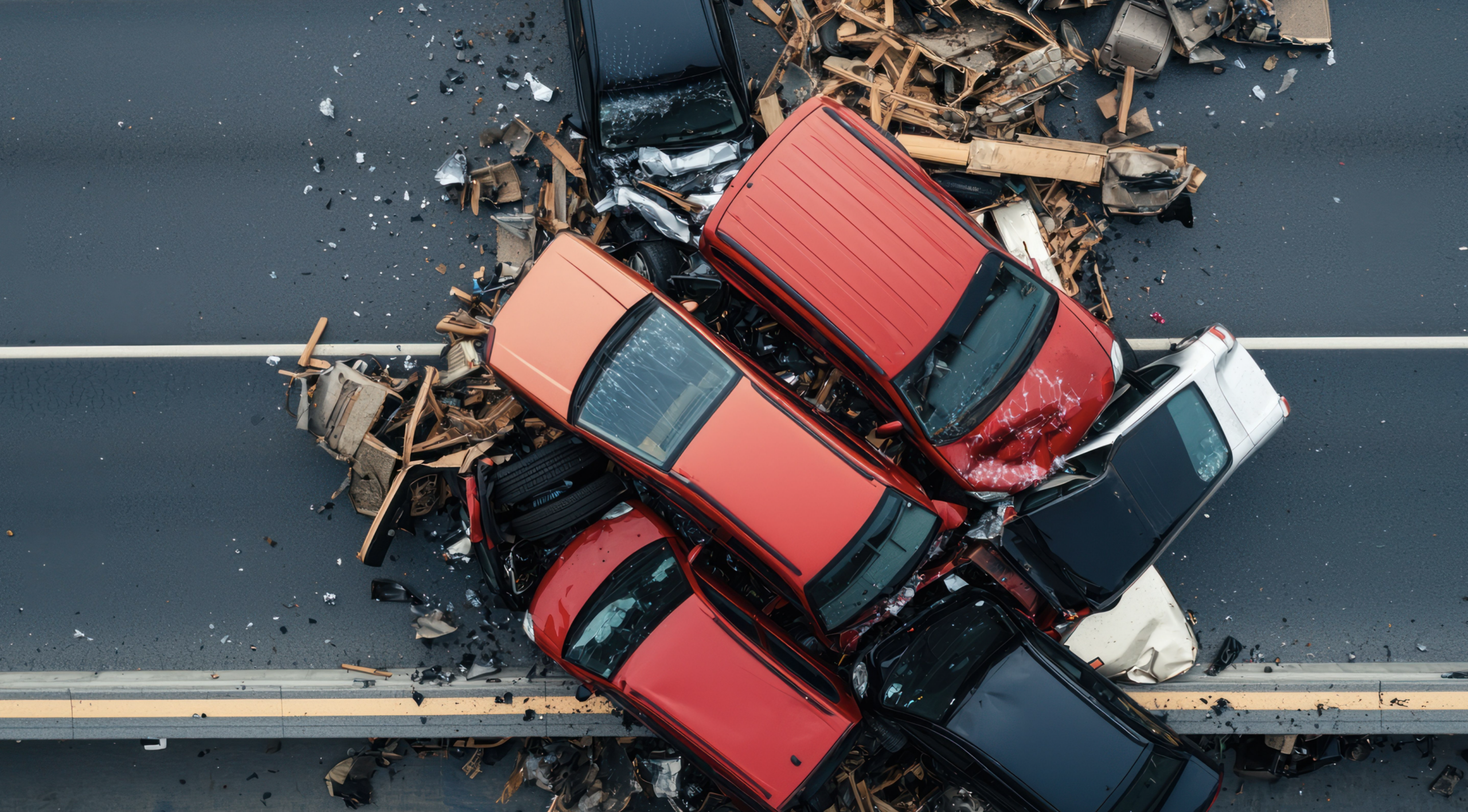
Multi-vehicle accidents—also known as chain-reaction crashes or pile-ups—are some of the most complex and dangerous collisions on Texas roads. These accidents often occur on busy highways, expressways, and major intersections throughout Weslaco, McAllen, Midland, and across Texas, and they frequently involve serious injuries or fatalities.

If you or a loved one is involved in a multi-car accident, knowing what to do next can protect your health, your rights, and your potential claim.

Step-by-Step: What to Do After a Multi-Vehicle Accident

  1. Call 911 and Get Emergency Help

Always call 911 immediately after a multi-vehicle crash.

  • Report injuries, blocked lanes, fires, or hazardous conditions
  • Follow instructions from police, fire, and EMS
  • Do not assume someone else has already called

Emergency response is critical in large crashes involving multiple vehicles.

  1. Stay at the Scene and Cooperate With Police

Texas law requires drivers to remain at the scene.

  • Provide basic, factual information only
  • Do not guess or admit fault
  • Request a copy of the police crash report number

In multi-car accidents, fault is often disputed and determined later.

  1. Get Medical Treatment Right Away

Even if you feel okay, injuries can appear hours or days later.

  • Accept medical care at the scene if offered
  • Visit an emergency room or doctor as soon as possible
  • Follow all medical recommendations

Prompt treatment protects both your health and your injury claim.

  1. Document the Accident Scene

If it is safe:

  • Take photos and videos of all vehicles involved
  • Capture road conditions, traffic signals, skid marks, and debris
  • Collect witness names and contact information

Evidence is especially important when multiple drivers and insurance companies are involved.

  1. Be Cautious With Insurance Companies

After a multi-vehicle accident, you may hear from several insurers.

  • You are not required to give a recorded statement right away
  • Do not sign documents or accept settlements without legal advice
  • Insurance companies often try to shift blame in multi-car crashes

Early mistakes can significantly affect your claim.

  1. Understand That Fault in Texas Can Be Complicated

Texas follows proportionate responsibility, meaning:

  • More than one driver may be at fault
  • Commercial vehicles or 18-wheelers may be involved
  • Liability may depend on timing, speed, following distance, or road design

These cases often require accident reconstruction and legal investigation.

Why You Should Speak With a Texas Personal Injury Attorney

Multi-vehicle accidents can result in:

  • Serious or catastrophic injuries
  • Wrongful death claims
  • High medical bills and lost income
  • Disputes between multiple insurance carriers

An experienced law firm can manage the legal process while you focus on recovery.

At Ezequiel Reyna Law Office, we have decades of experience representing accident victims throughout South Texas and West Texas, including Weslaco, McAllen, Midland, and surrounding communities. Our team handles complex accident cases involving:

  • Multi-vehicle and chain-reaction crashes
  • Commercial and 18-wheeler accidents
  • Catastrophic injuries and wrongful death

Serving Clients Across Texas

With offices in Weslaco and McAllen and service to the Midland area, our firm is available to help accident victims wherever they are injured in Texas.

📞 Call 956-968-9556
We are available 24/7, including evenings, weekends, and holidays.

You are not alone—and you do not have to face a multi-vehicle accident claim by yourself.

This content is for informational purposes only and does not constitute legal advice.