Why 18-Wheelers Can’t Stop Like Cars — And What South Texas Drivers Should Know
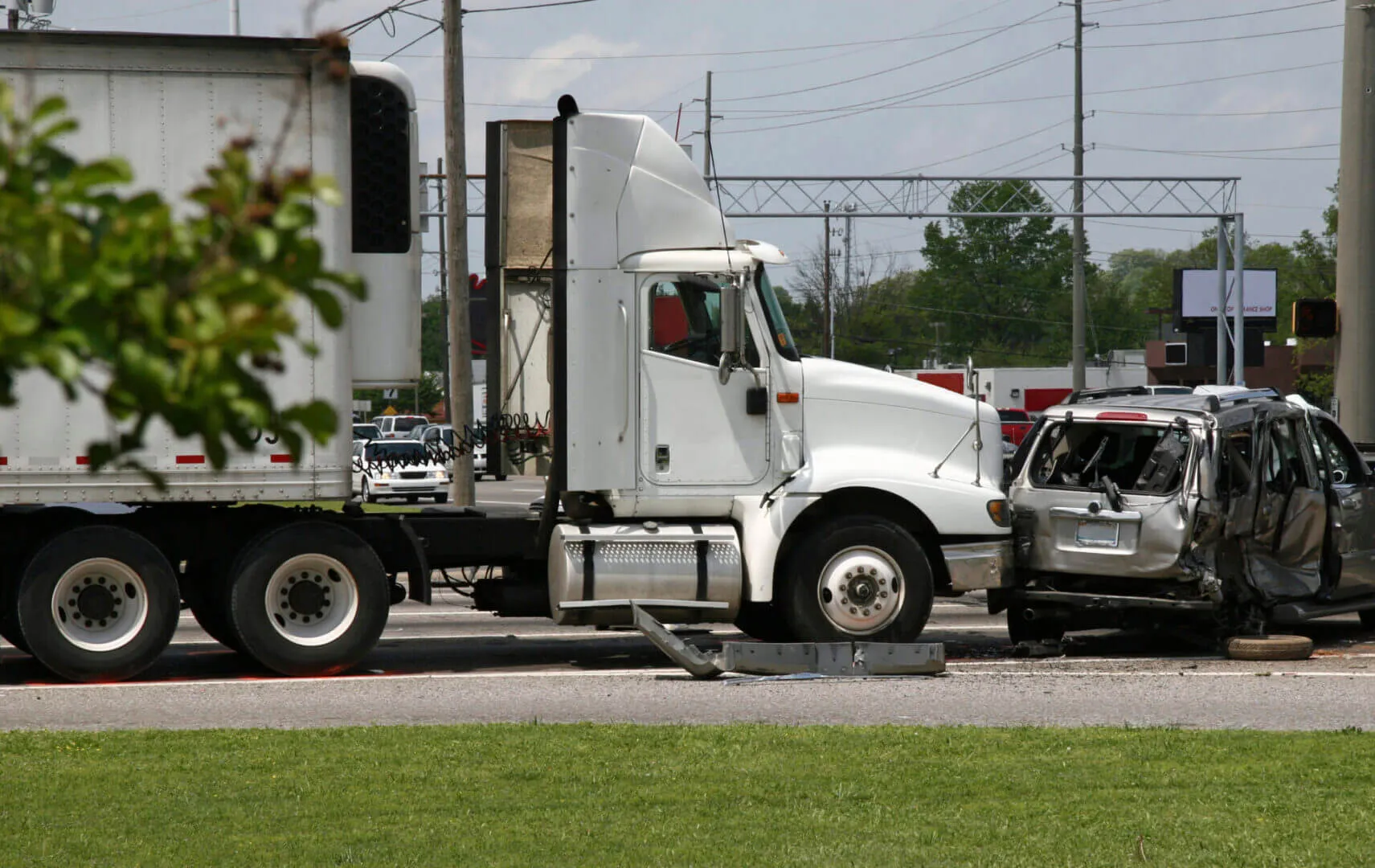
If you’ve spent any time on I37, Highway 281, or I35, you know South Texas roads are full of big rigs. These trucks keep our region moving, but they also bring real dangers when things go wrong. Most everyday drivers don’t realize how differently an 18-wheeler handles compared to a regular car. Understanding those differences can help prevent serious, even life changing crashes.
Let’s break down what every driver should know…
1. Stopping Distance: Why Trucks Need More Space
A typical passenger vehicle weighs around 3,000–4,000 pounds. An 18-wheeler may weigh up to 20–30 times more. With more weight comes significantly more momentum, which means a longer stopping distance.
An 18-wheeler can weigh up to 80,000 pounds.
Your car? Around 3,000–4,000 pounds.
More weight means more momentum — and much more distance needed to stop.
At 65 mph:
• Car: ~300 feet to stop
• Semitruck: ~600 feet or more
The increase of a 18-wheeler’s stopping distance is influenced by heavy or shifting cargo, Worn brakes or tires, downhill grades. Cutting in front of a truck or braking suddenly can leave the truck driver with no physical ability to avoid a collision.
2. Blind Spots (“NoZones”) Around Large Trucks
Tractortrailers have large blind spots where smaller vehicles disappear from the driver’s view.
Major nozones include:
• Directly in front of the truck’s cab
• Directly behind the trailer
• Along the right side (the largest blind spot)
• Along the left rear area of the trailer
If you’re in one of these zones, the truck driver may not know you’re there. Staying visible is essential for avoiding unsafe lane changes or sideswipe collisions.
A good tip to have in mind is…
If you can’t see the driver’s mirrors, they can’t see you.
3. Why Cutting in Front of a Truck is Dangerous
While passenger cars speed up quickly and maneuver easily. Commercial trucks do not. For what seems like a harmless move can be very dangerous. When a car cuts off a truck, the driver maybe unable to:
• Stop quickly enough
• Swerve without risking a rollover or jackknife
• Adjust for cargo shifting inside the trailer
Rearend collisions with trucks are often severe, and many involve catastrophic injuries because of the truck’s size and weight.
4. Weather, Traffic, and Road Conditions Make Trucking Risks Worse
Certain conditions increase the risk of truckrelated crashes, especially when visibility, traction, or traffic flow changes.
Rain
• Reduces traction
• Increases stopping distance
• Raises hydroplaning risk
Fog
• Limits visibility for all drivers
• Makes judging distance and speed difficult
Traffic Jams
Sudden braking or stopandgo traffic leaves little room for trucks to react. A fully loaded tractor trailer cannot stop abruptly without risking major instability. Whenever conditions shift, give trucks even more space than usual.
5. What to Do If You’re Involved in a Commercial Truck Accident
Truck crashes are more complex than typical car accidents. They often involve multiple parties, federal regulations, and large insurance carriers.
If you’re in a crash with an 18-wheeler:
1. Call 911 immediately.
2. Document the scene with photos and videos.
3. Seek medical evaluation, even if injuries feel minor.
4. Avoid giving statements to trucking company representatives or insurers.
5. Contact an attorney who handles commercial vehicle accidents.
Commercial vehicle accidents often involve:
• Catastrophic injuries
• Wrongful death claims
• Electronic logging device data
• Corporate insurers and investigators
An experienced attorney can help preserve critical evidence and protect your rights from the start.
crashes often lead to catastrophic injuries or wrongful death, and early action is key to protecting your rights.
—-
Final Thoughts
Sharing the road with 18-wheelers is part of life in South Texas. These drivers work hard, but the sheer size of their vehicles mean things can go wrong very quickly.
If you or a loved one has been injured in a car accident caused by dangerous road conditions, a commercial vehicle, or an impaired driver, you don’t have to face the situation alone. The Ezequiel Reyna Law Office has decades of experience helping individuals and families across Texas navigate serious injury claims. Our team is available 24/7 to answer your questions and help you understand your options. For a free consultation, contact the Ezequiel Reyna Law Office today — because when it matters most, you deserve experienced legal guidance you can trust. Call us at (956) 968-9556